



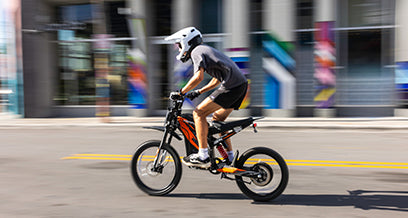


Are Fat Tire Bikes Harder to Pedal? Why Wider Tires Are Winning
Fat tire electric bikes are often perceived as harder to pedal than standard e-bikes due to their wider tires and heavier frames. While this is partly true on smooth pavement, fat tire e-bikes offer unique advantages that make them increasingly popular—especially for riders who value stability, comfort, and all-terrain capability.
Understanding how tire width, rolling resistance, motor assistance, and terrain interact can help you decide whether a fat tire electric bike is the right choice for your riding needs.
Are Fat Tire Electric Bikes Harder to Pedal?
Yes, a fat tire electric bike can require more pedaling effort than a regular e-bike when riding without motor assistance, mainly due to increased rolling resistance and added weight. However, with pedal assist enabled, most riders find fat tire e-bikes comfortable and easy to ride—especially on uneven or loose terrain.
What is a Fat Tire E-Bike?
A fat tire electric bike is equipped with oversized tires—typically 4 to 5 inches wide—designed to provide maximum traction and stability. These bikes are built to handle challenging surfaces such as sand, snow, gravel, mud, and rocky trails. The wide tires have a lot of grip and excellent base support over difficult conditions, such as sand, snow, and rocky roads.
The large air volume in fat tires acts as natural suspension, absorbing bumps and vibrations. Combined with electric motor assistance, fat tire e-bikes deliver a smooth and controlled riding experience across a wide range of conditions.
What Makes Fat Tire Bikes Different from Standard Bikes?
The defining difference lies in tire width. Compared to regular e-bikes, fat tire electric bikes offer:
- Wider contact patches for better grip
- Increased stability on soft or uneven surfaces
- Improved comfort on rough terrain
However, the increased surface area also creates higher rolling resistance, especially on pavement. This means pedaling can feel heavier when the motor is off or set to a low assist level.
How Does Rolling Resistance Affect Pedaling Difficulty?
Rolling resistance is the friction between the tire and the ground. Because fat tires have a larger contact area, they naturally create more resistance—particularly on hard, flat surfaces like asphalt. As a result, riders may find that pedaling requires more effort compared to using narrower tires, which are designed for efficiency and speed.
On loose terrain, however, this same contact area becomes an advantage. Fat tires float over sand, snow, and gravel rather than sinking in, often making a fat tire electric bike easier to ride than a narrow-tire bike in off-road conditions.
Why Does Bike Weight Matter?
Fat tire electric bikes typically use reinforced frames to support wider tires and off-road use. This added durability increases overall weight, which can affect:
- Acceleration from a stop
- Hill climbing without motor assist
- Carrying or lifting the bike
That said, electric motors compensate for this weight during normal riding, especially when using moderate to high pedal assist levels.
Advantages of Riding a Fat Tire Electric Bike
Despite the added resistance on pavement, fat tire electric bikes offer several clear benefits:
- Enhanced stability: Wide tires improve balance and control
- Superior traction: Excellent grip on snow, mud, sand, and wet roads
- All-terrain versatility: Suitable for year-round riding. Fat tire electric bikes are less likely to get stuck in the mud or burst a tire like skinny tires.
- Comfortable ride: High air volume absorbs shocks naturally
- Durability: Fat tires are less prone to pinch flats and damage
These advantages explain why fat tire electric bikes continue to gain popularity among commuters, recreational riders, and off-road enthusiasts.
So, How Easy is it to Pedal a Fat Tire E-bike?
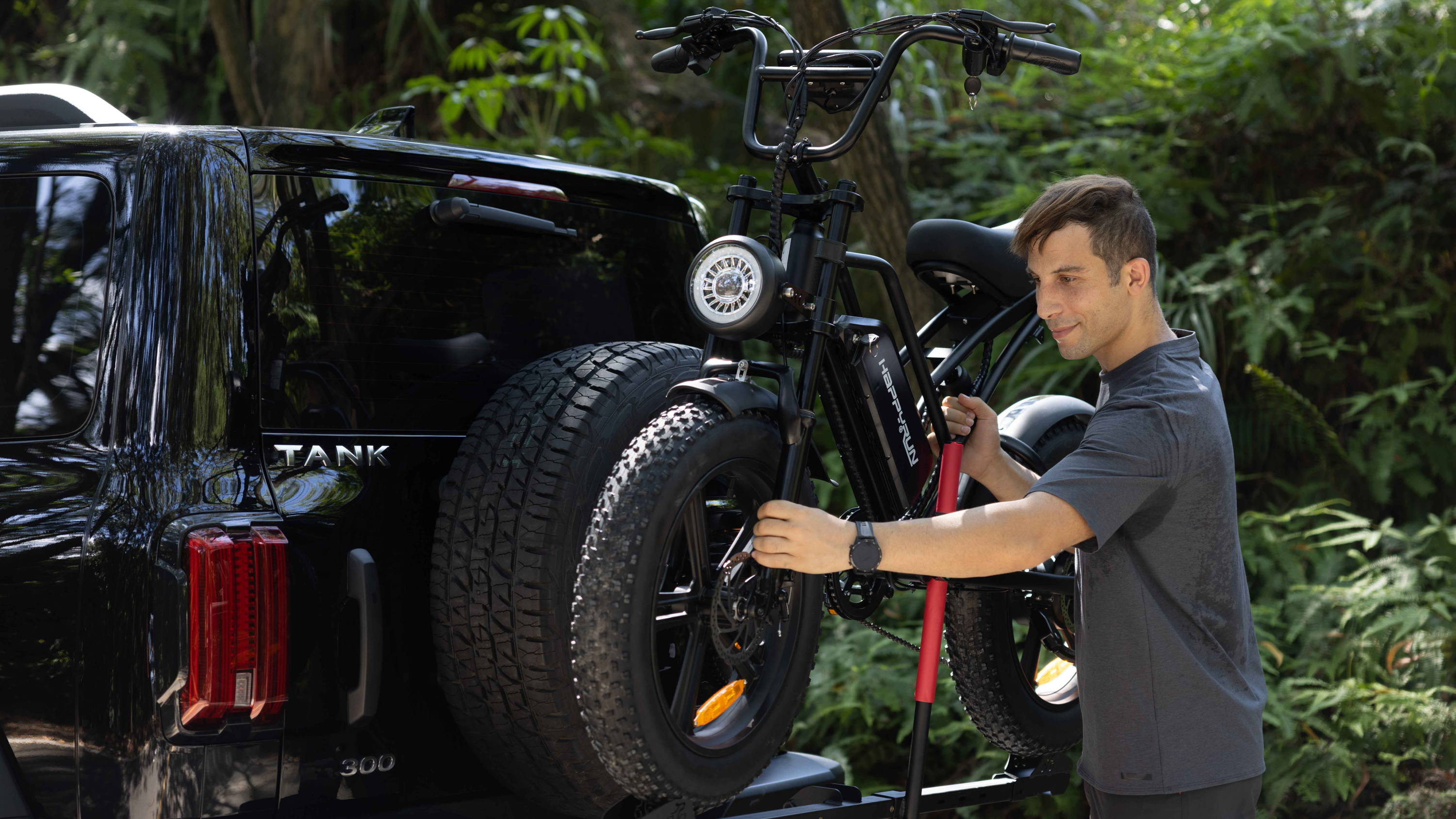
With pedal assist enabled, most riders find a fat tire electric bike easy and enjoyable to pedal. Difficulty mainly depends on:
- Motor output and tuning
- Pedal assist level
- Tire pressure
- Terrain type
- Overall bike weight
A well-designed fat tire e-bike balances these factors to deliver smooth, predictable assistance rather than raw speed alone.
How Riders Can Reduce Pedaling Effort?
Riders can mitigate challenges when pedaling fat tire bikes by maintaining proper tire pressure for optimal rolling resistance. Using lower gears helps manage steep climbs more easily. Additionally, focusing on body positioning and weight distribution can enhance balance and control, making it easier to navigate various terrains without excessive effort.
To make riding fat tire bikes easier:
- Weight: These thick tires with other motors will eventually cause a fat tire electric bike to have an accentuated or sizable weight. This added weight will therefore proactively change the ways of starting from a stop when climbing hills or when riding on rough terrain. That is, it will make it somewhat harder to start from a stop climb hills, and ride on rough terrain.
- Adjust Tire Pressure: Lowering tire pressure can improve traction on soft surfaces but may increase rolling resistance on hard surfaces. Finding the right balance is key.
- Pedal Assist Level: E-bikes, unlike regular bikes, are unique in that they come with a built-in adjustable feature which most bike riders don't like because it makes the riding experience more difficult. More assist level implies that the engine is involved more frequently, hence it is always wind-free. Smaller gear ratios make descents more challenging. Decide what level to study and use depending on your purpose and preference.
- Wider Tires, More Grip, More Resistance: The broad surface areas on big tires present a phenomenal stickiness, this is great for loose surfaces and slippery conditions. Although the higher design helps with resistance, this is more case when it comes to rough pavements. On the other hand, rolling on level roads will make the resistance more difficult. You should probably be ready to supply your 20 inch fat tire electric bike with the equivalent amount of energy that you can use for your regular tire ebikes.
- Use Gears Wisely: Utilize lower gears when climbing or navigating tough terrain to reduce effort.
- Lighten Your Load: Consider upgrading components or removing unnecessary gear to decrease overall weight.
Fat Tire vs Regular Tire E-bike
A fat tire electric bike excels in mixed terrain, poor weather, and off-road environments. A regular e-bike is lighter and more efficient for long-distance pavement commuting.
If your riding includes trails, gravel roads, snow, or uneven surfaces, fat tires provide a clear advantage. For strictly urban riding on smooth roads, standard tires may feel easier to pedal.
Expert Perspective
“Fat tire electric bikes may feel heavier on flat pavement,” says cycling industry analyst John Mercer, “but their traction and stability on challenging terrain make them incredibly versatile. For many riders, that trade-off is well worth it.”
Conclusion
A fat tire electric bike may require slightly more effort to pedal on smooth pavement, but it offers unmatched stability, traction, and versatility across diverse riding conditions. For riders who value comfort and confidence over pure efficiency, fat tire electric bikes remain a winning choice.
FAQ: Fat Tire Electric Bike
Are fat tire electric bikes harder to pedal than regular e-bikes?
Yes, mainly due to wider tires and increased rolling resistance. With pedal assist, however, most riders find fat tire electric bikes easy to ride.
Do fat tire electric bikes perform well on pavement?
They work well on pavement but may feel slightly slower than narrow-tire e-bikes. Proper tire pressure helps improve efficiency.
Are fat tire electric bikes good for beginners?
Yes. The added stability and comfort make fat tire electric bikes beginner-friendly, especially on uneven terrain.
Can fat tire electric bikes handle snow and sand?
Absolutely. Fat tires provide excellent traction on snow, sand, and loose surfaces.
Is HappyRun a reliable fat tire electric bike brand?
Yes. HappyRun designs fat tire electric bikes with durable frames and balanced motor assistance, making them suitable for everyday riding and mixed terrain use.


Leave a comment