



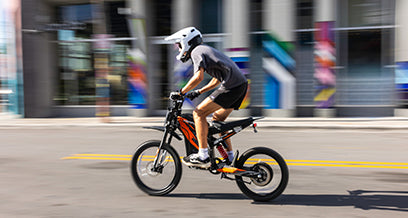


How Cold Weather Affects Electric Dirt Bike Batteries and How to Protect Them
Everything winter riders need to know about battery performance, cold-weather protection, and long-term care.
Electric dirt bikes have opened the door to a new kind of adventure—quiet, torquey, low-maintenance, and perfect for both trail riders and everyday commuters. But if you live in a place where winter hits hard, you’ve probably wondered: What happens to an electric dirt bike battery when temperatures drop? And more importantly: How do I protect my bike so performance stays strong all season long?
This guide breaks everything down in clear, practical terms. Whether you ride a premium off-road model like the Happyrun G300 Pro electric dirt bike, commute on city paths, or simply store your electric dirt bike through winter, you’ll learn exactly how cold weather affects lithium-ion batteries—and what real riders can do to keep them healthy, safe, and ready for spring.
Why Cold Weather Affects Electric Dirt Bike Batteries
Lithium-ion batteries—used in virtually all modern electric dirt bikes—are engineering marvels. They store a huge amount of energy in a compact space, deliver instant torque, allow fast recharging, and can last hundreds of full charge cycles.
But they have one natural limitation:
They don’t like cold weather.
Here’s why.
How Lithium-Ion Chemistry Reacts to Low Temperatures
Lithium-ion batteries rely on chemical reactions inside each cell. Those reactions move slower when temperatures drop, especially when the weather falls below 32°F (0°C). This leads to:
-
Reduced capacity (the battery “feels smaller” than normal)
-
Reduced discharge efficiency (power doesn’t flow as easily)
-
Higher internal resistance (the battery works harder just to deliver power)
- Temporary voltage drop (performance may feel sluggish)
These effects are not usually dangerous—they’re simply the natural physics of how lithium cells behave in cold environments.
In extremely low temperatures (0°F / -18°C or lower), the battery may activate additional protections to avoid damage. Some bikes won’t charge at all until the battery warms up.
Real-World Impact on Electric Dirt Bike Riders
When temperatures drop into the freezing range, you may notice:
- The bike accelerates slightly slower
- The battery drains faster than usual
- Regenerative braking becomes limited or temporarily disabled
- Range drops by 20%–40% depending on conditions
- Charging takes longer because the battery warms itself internally first
Even high-performance bikes like the Happyrun G300 Pro electric dirt bike—with its 30Ah lithium battery and efficient BMS—experience the same physics. The difference is that premium bikes usually have better battery management systems, which help minimize winter impact.
Is Cold Weather Dangerous for Electric Dirt Bike Batteries?
Cold weather itself generally does not damage lithium-ion batteries.
But what is dangerous is:
-
Charging a cold battery (below 32°F / 0°C)
-
Leaving a battery fully discharged in freezing temps
- Keeping moisture inside the case during freeze-thaw cycles
As long as you avoid these risks and follow winter best practices, your battery will remain healthy for years.
How Much Range Loss Is Normal in Winter?
Cold-weather range loss is something every electric dirt bike rider experiences, but the numbers vary depending on temperature, riding style, terrain, and battery quality.
Here’s a realistic breakdown:
|
Temperature |
Expected Range Loss |
|
50–59°F (10–15°C) |
5–10% drop |
|
32–49°F (0–9°C) |
10–20% drop |
|
14–31°F (-10 to -1°C) |
20–35% drop |
|
Below 14°F (-10°C) |
35–50% drop or more |
High-torque electric dirt bikes, especially those with heavier off-road tires, may see slightly higher losses during aggressive riding. Lightweight commuter-style e-bikes may lose a bit less.
The Happyrun G300 Pro tends to perform better than average because its 30Ah battery is built with higher-discharge cells, allowing it to maintain more stable output in cold weather. However, even with premium components, nature always plays a role.
How Cold Weather Affects Charging Your Electric Dirt Bike
Charging is the most sensitive part of winter battery care.
Lithium-ion cells should not charge below freezing (32°F / 0°C).
Doing so can cause lithium plating—permanent damage that reduces battery lifespan.
How Most Modern Bikes Protect Themselves
Most electric dirt bikes and electric motorcycles include BMS-level protection. If the battery is too cold, the BMS will:
- Prevent charging entirely
- Reduce charging speed
- Delay charging until the battery warms up
This is a good thing—it keeps your battery safe.
Safe Ways to Charge in Winter
To keep your battery healthy:
1. Let the battery warm up indoors before charging
Bring it inside for at least 1–2 hours.
2. Do not charge immediately after a cold ride
Let internal temperatures stabilize.
3. Use the charger in a room-temperature space
Garages are fine as long as they aren’t below freezing.
4. Avoid leaving the battery plugged in overnight in the cold
This may cause the charger to cycle repeatedly.
How to Protect Your Electric Dirt Bike Battery in Cold Weather
Winter battery protection is easier than most riders think. A few small habits can dramatically improve battery lifespan, performance, and safety.
Below are the essential strategies recommended for electric dirt bikes, including off-road models like the G300 Pro, urban commuters, and budget-friendly dirt bikes.
1. Store the Battery Indoors (Whenever Possible)
This is the #1 rule of winter riding.
Lithium batteries prefer:
-
40–70°F (4–21°C) storage
-
Dry, moisture-free environments
- Stable temperatures (avoid freeze/thaw cycles)
Removing the battery is quick on most electric dirt bikes that use detachable packs. For models with internal batteries, such as some frame-integrated off-road bikes, indoor storage of the entire bike is ideal.
2. Don’t Store the Battery at 100% or 0% Charge
This is where many riders unknowingly shorten battery lifespan.
The ideal winter storage level is:
50–80% charge
If you won’t ride for weeks, check the battery every 25–30 days and top up slightly if it drops below 40%.
3. Warm the Battery Before Riding
A cold lithium-ion battery doesn’t perform well until it warms up—this is normal.
To help it warm safely:
- Bring the battery inside for 30–60 minutes
- Use a neoprene battery cover during rides
- Start your ride gently (avoid instant full-throttle bursts)
Once the battery warms internally through use, performance improves.
4. Avoid Leaving the Bike Outside Overnight
Even if the bike is water-resistant or built for rugged off-road conditions, storing it in freezing temperatures is hard on the battery.
If outdoor storage is unavoidable:
- Use an insulated, waterproof cover
- Keep the battery indoors
- Avoid exposing the bike to snow or freezing rain
5. Keep the Battery Dry
Moisture is more dangerous than cold.
Snowmelt can seep into connectors, wiring harnesses, and the battery case. When temperatures drop again, that moisture freezes—and expansion can damage sensitive internal components.
Before storing:
- Wipe the battery and connectors dry
- Make sure the charging port is closed
- Inspect for snow or ice buildup around the frame or battery shell
6. Use Eco or Low-Power Modes More Often in Winter
Cold weather increases internal resistance in lithium batteries. Riding in the highest power mode puts additional strain on the system.
Smoother, lower-power riding helps:
- Preserve range
- Reduce voltage sag
- Keep the battery warmer internally
- Extend overall riding time
Winter Riding Tips for Electric Dirt Bike Owners
Battery care is only one part of the winter riding equation. If you plan to ride through snow, slush, or icy trails, the right habits and gear significantly improve both performance and safety.
Choose the Right Tires
Fat tires (4 inches and wider) or knobby off-road tires perform best in winter because they offer more grip and stability.
The G300 Pro’s 19"/17" off-road tire setup is particularly strong on mixed winter terrain.
Start Slow and Build Heat Naturally
As you begin your ride:
- Keep throttle inputs smooth
- Avoid instant full acceleration
- Allow the motor and battery to warm internally
Once everything warms up, performance will feel more natural (although you should still expect some range loss).
Keep Your Chain and Drivetrain Clean
Winter brings:
- Road salt
- Ice
- Mud
- Slush
These can accelerate chain wear. Clean and lube your chain more frequently during winter.
Winter Storage Guide for Electric Dirt Bikes Batteries
If you're not planning to ride until spring, follow this checklist:
Winter Storage Checklist
- Charge battery to 50–80%
- Store indoors (40–70°F)
- Keep away from moisture and direct sunlight
- Clean the bike thoroughly
- Lubricate the chain
- Inflate tires to recommended pressure
- Disconnect the battery if the bike supports it
This ensures your bike is ready the moment warmer weather returns.
How the Happyrun G300 Pro Performs in Cold Weather
The HappyRun G300 Pro electric dirt bike is built for rugged environments, and while no electric dirt bike is immune to cold-weather physics, the G300 Pro includes several advantages:
-
High-output 3000W motor responds well even in colder temps
-
30Ah lithium battery with intelligent BMS
-
Off-road suspension system designed to handle uneven winter terrain
-
Durable connectors and sealed electronics built for outdoor riding
- Multiple riding modes that let you adapt power output in cold conditions
If you’re planning winter rides, performance will naturally drop somewhat—but the G300 Pro remains one of the more reliable electric dirt bikes for cold-weather use under $3000.
Conclusion: Winter Doesn’t Have to Stop You—Just Ride Smarter
Cold weather affects every lithium-ion battery, whether it's powering your phone, your car, or your electric dirt bike. But with a few smart habits—indoor storage, proper charging, moisture control, and gentle warm-up riding—you can keep your electric dirt bike performing reliably all winter long.
Whether you're exploring frozen trails, commuting year-round, or keeping your G300 Pro stored until spring, remember:
Protect the battery, and the bike will take care of the rest.
FAQs
1. Does cold weather permanently damage electric dirt bike batteries?
No. Cold temperatures temporarily reduce performance, but they do not cause permanent damage unless you charge the battery below freezing.
2. How should I charge my battery in winter?
Always warm it to room temperature before charging. Charging below 32°F (0°C) can damage the cells.
3. How much range will I lose in cold weather?
Most riders see a 20–40% decrease depending on temperature, terrain, and riding style.
4. Should I remove the battery for winter storage?
Yes—store the battery indoors at 40–70°F with a 50–80% charge level.
5. Is the Happyrun G300 Pro good for winter riding?
Yes. It includes a strong BMS, high-discharge battery cells and off-road suspension that help maintain stability and performance.


Leave a comment