



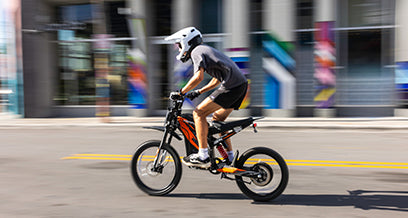


Best Gear for Winter Electric Dirt Bike Riders
Essential Equipment for Cold, Snow, and Trail Conditions
Riding an electric dirt bike in winter isn’t just about having enough power—it’s about staying warm, safe, and in control when temperatures drop and trail conditions become unpredictable. Cold air stiffens muscles, snow reduces traction, and moisture tests every piece of gear you wear. Without the right setup, winter riding quickly becomes uncomfortable or even dangerous.
This guide breaks down the best winter gear for electric dirt bike riders, explaining not only what to wear, but why it matters specifically for cold-weather, off-road riding. Whether you ride snowy trails, cold back roads, or winter hunting paths, the right gear transforms winter from an off-season into a unique riding advantage.
Why Winter Gear Matters More Than Power
Electric dirt bikes already offer advantages in winter—instant torque, no cold starts, and quieter operation. But even the best bike can’t compensate for frozen fingers, fogged goggles, or loss of traction.
Winter riding changes three critical factors:
-
Body performance (reaction time, grip strength)
-
Environmental risk (snow, ice, reduced visibility)
- Error margin (mistakes are harder to recover from)
Proper winter riding gear acts as a control system, not just insulation. The goal isn’t to stay warm at all costs—it’s to stay warm while preserving control, feedback, and protection.
The Unique Challenges of Winter Electric Dirt Bike Riding
Cold Temperatures and Reduced Dexterity
Cold weather reduces blood flow to hands and feet first. Numb fingers lead to poor throttle modulation and delayed braking reactions—both critical on high-torque electric dirt bikes. Winter gear must maintain warmth without sacrificing tactile feedback.
Snow, Ice, and Unpredictable Trail Surfaces
Snow hides rocks, ruts, and roots. Ice patches appear unexpectedly, especially in shaded areas. Riders need gear that improves stability, visibility, and confidence when traction is inconsistent.
How Winter Conditions Change Riding Risk Profiles
Falls at low speed can still cause injury in winter due to stiff joints and heavier gear. Slower reaction times mean protective equipment plays a bigger role than in warm-weather riding.
Essential Winter Riding Gear for Electric Dirt Bike Riders
Cold Weather Gloves — Warmth Without Losing Control
Hands are your primary connection to the bike. The best winter gloves balance:
- Wind resistance
- Water resistance
- Insulation
- Grip sensitivity
Look for winter-specific riding gloves with articulated fingers and reinforced palms. Overly bulky gloves reduce throttle precision, especially on electric bikes where torque delivery is instant.
Heated gloves can be useful for extended rides, but even non-heated gloves should block wind and retain warmth when damp.
For riders who still need phone access for navigation, trail maps, or emergency calls, winter touchscreen gloves become especially valuable. Well-designed options allow touchscreen use without exposing bare skin, which helps maintain warmth during stops. For example, winter touchscreen riding gloves designed specifically for cold-weather e-bike use offer wind protection, water resistance, and responsive fingertips—making them practical for long winter trail rides or cold-weather commuting.
Winter Helmets and Thermal Helmet Liners
Cold air entering helmet vents causes headaches, eye watering, and fatigue. Many riders use:
- Thermal helmet liners or balaclavas
- Breath guards to reduce fogging
- Adjustable vent covers
A proper off-road dirt bike helmet plays a bigger role in winter than many riders realize.
Compared to street helmets, off-road helmets often offer better compatibility with goggles, improved airflow control, and stronger impact protection for uneven terrain.
Choosing a helmet designed for dirt bike riding—especially one that works well with thermal liners and anti-fog goggles—helps maintain comfort without sacrificing safety in cold conditions.
The key is temperature regulation—too much insulation causes sweat, which leads to chilling later in the ride.
Goggles and Eye Protection for Snow Riding
Clear vision is non-negotiable in winter. Snow glare, fog, and condensation are common issues.
Choose goggles with:
- Dual-pane or thermal lenses
- Anti-fog coatings
- Wide field of view for low-light conditions
Tinted lenses may look good but can reduce visibility in overcast winter conditions.
Insulated Riding Jackets and Pants
Winter riding apparel works best as a layering system:
- Base layer: moisture-wicking
- Mid-layer: insulation
- Outer shell: wind and water resistance
Avoid cotton. Technical riding jackets designed for off-road use provide abrasion resistance while allowing movement on the bike.
Winter Riding Boots and Thermal Socks
Feet often stay cold even when the rest of the body feels fine. Winter riding boots should:
- Block wind and moisture
- Maintain ankle protection
- Allow good peg feel
Thermal socks help, but boots must still allow circulation—over-tight footwear makes feet colder, not warmer.
Traction and Control — Tires and Ground Contact Gear
Winter Tires vs All-Terrain Tires — What’s the Difference?
All-terrain tires work in light snow, but winter-specific tires use:
- Softer rubber compounds
- Aggressive tread patterns
- Better cold-weather grip
For frequent snow riding, winter tires significantly improve control and braking confidence.
Tire Pressure Adjustments for Cold and Snow
Cold air reduces tire pressure naturally. Many winter riders slightly lower PSI to increase contact patch size and grip, but pressures should remain within safe limits to avoid pinch flats or rim damage.
When Studded Tires Make Sense (and When They Don’t)
Studded tires offer excellent grip on ice but:
- Add rolling resistance
- Increase wear on hard surfaces
- Are overkill for mixed conditions
They’re best reserved for consistent ice or frozen trails.
Safety-Focused Gear Winter Riders Often Overlook
Heated Gear — Gloves, Vests, and Battery Considerations
Heated gloves and vests extend ride time but draw power. Riders should ensure:
- Reliable power source
- Waterproof connectors
- Proper heat regulation
Heated gear should supplement—not replace—good insulation.
High-Visibility and Reflective Winter Apparel
Winter days are shorter, and snow reduces contrast. Reflective panels and high-visibility colors dramatically improve safety, especially near roads or shared trails.
Protective Layers for Slower Reaction Times
Cold slows reflexes. Extra padding in jackets, pants, and knee guards helps offset reduced reaction speed, especially during unexpected slips.
Choosing the Right Winter Gear Based on Riding Scenarios
Trail Riding in Snowy or Muddy Conditions
Trail riders benefit from:
- Aggressive winter tires
- Goggles with clear lenses
- Waterproof outer layers
Mud mixed with snow is especially abrasive, making durable gear essential.
Cold Weather Commuting on an Electric Dirt Bike
Commuters need:
- High-visibility gear
- Wind-blocking layers
- Reliable gloves for stop-and-go riding
Comfort and convenience matter as much as protection.
Recreational Winter Riding vs Daily Use
Occasional winter riders can focus on modular layers, while daily riders benefit from dedicated winter-specific gear that saves setup time and improves consistency.
Gear Compatibility With Electric Dirt Bikes
How Throttle Response and Torque Affect Gear Choice
Electric dirt bikes deliver torque instantly. Gloves and boots must allow fine control—overly stiff gear increases the risk of unintended throttle inputs.
Pedal Assist, Balance, and Lower-Body Gear
Many electric dirt bikes use pedals or hybrid riding positions. Pants and boots must allow:
- Smooth pedaling motion
- Easy weight shifting
- Comfortable standing posture
Why Adult Electric Dirt Bike Riders Need Different Winter Gear
Adult riders often ride longer, faster, and with higher loads. Gear durability, impact protection, and temperature regulation become more important than minimal weight.
This becomes especially important on high-torque adult electric dirt bikes like the Happyrun G300 Pro electric dirt bike, which delivers strong, immediate power even in cold conditions. In winter riding, that instant torque means riders rely heavily on precise throttle input, stable body positioning, and consistent grip feedback. Well-matched winter gloves, boots, and protective layers help riders fully control the bike’s performance without overcompensating for bulky or restrictive gear. For riders using electric dirt bikes for winter trail riding, hunting access, or mixed off-road terrain, aligning gear choice with the bike’s power characteristics makes a noticeable difference in safety and ride confidence.
Common Winter Gear Mistakes Electric Dirt Bike Riders Make
Over-Bulking and Losing Control Sensitivity
More insulation isn’t always better. Excess bulk reduces mobility and control precision.
Ignoring Moisture Management
Sweat trapped inside gear leads to rapid chilling later in the ride. Breathable layers matter as much as insulation.
Choosing Warmth Over Protection (or Vice Versa)
The best winter gear balances warmth, protection, and mobility. Compromising too much on any one factor leads to fatigue or risk.
Final Thoughts — Winter Gear Is Part of Your Riding System
Winter riding rewards preparation. The right gear doesn’t just keep you warm—it extends ride time, improves control, and reduces risk when conditions are at their toughest.
Electric dirt bikes already make winter riding more accessible thanks to consistent power delivery and low maintenance. When paired with a thoughtful winter gear system—gloves, helmet setup, goggles, tires, and protective layers—cold weather becomes less of a limitation and more of a new riding dimension.
Treat your winter gear as part of the bike itself, and you’ll ride longer, safer, and with more confidence all season long.
FAQs: Best Gear for Winter Electric Dirt Bike Riders
Q1: What is the most important piece of winter riding gear?
Gloves. Cold hands affect throttle control, braking, and overall safety more than any other factor.
Q2: Can I use regular motorcycle winter gear for electric dirt bikes?
Yes, but off-road specific gear usually offers better mobility, ventilation control, and impact protection for trail riding.
Q3: Are heated gloves safe for electric dirt bike riding?
Yes, when properly designed and weather-resistant. They should not interfere with grip or control.
Q4: Do I really need winter tires for snow riding?
If you ride frequently in snow or ice, winter tires significantly improve traction and confidence.
Q5: How cold is too cold to ride an electric dirt bike?
This depends on gear quality and battery care, but many riders safely operate in temperatures well below freezing with proper preparation.
Q6: What gear mistakes should beginners avoid in winter?
Overdressing, ignoring moisture control, and underestimating the importance of visibility.


Leave a comment