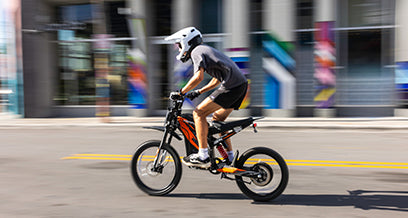

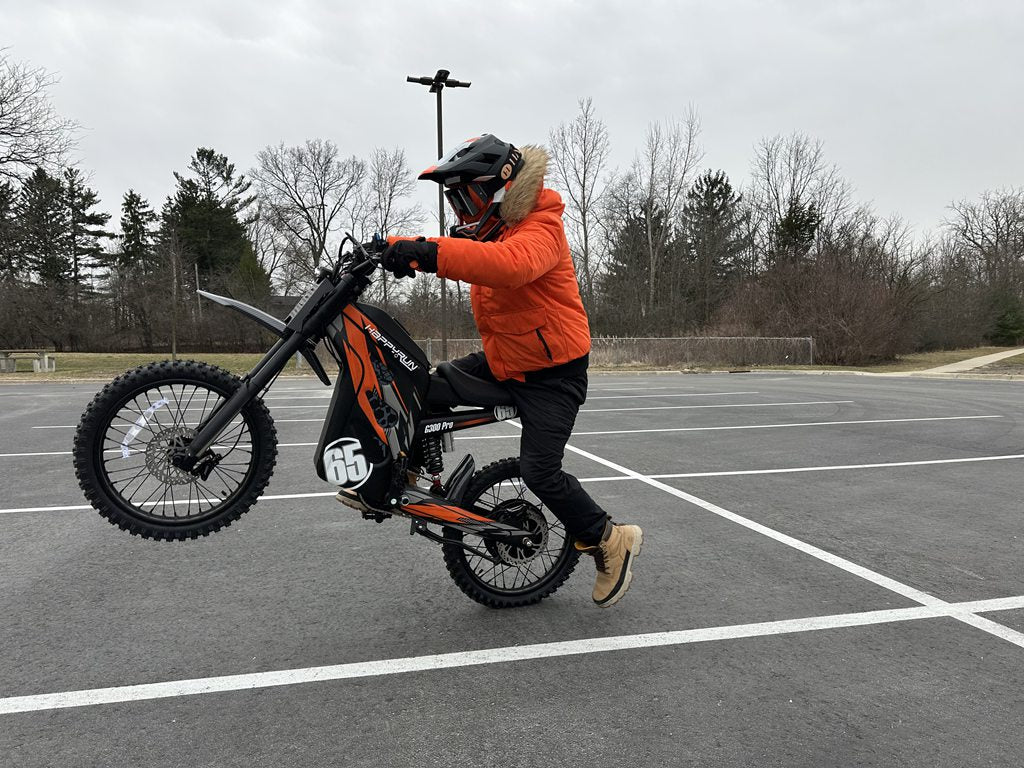
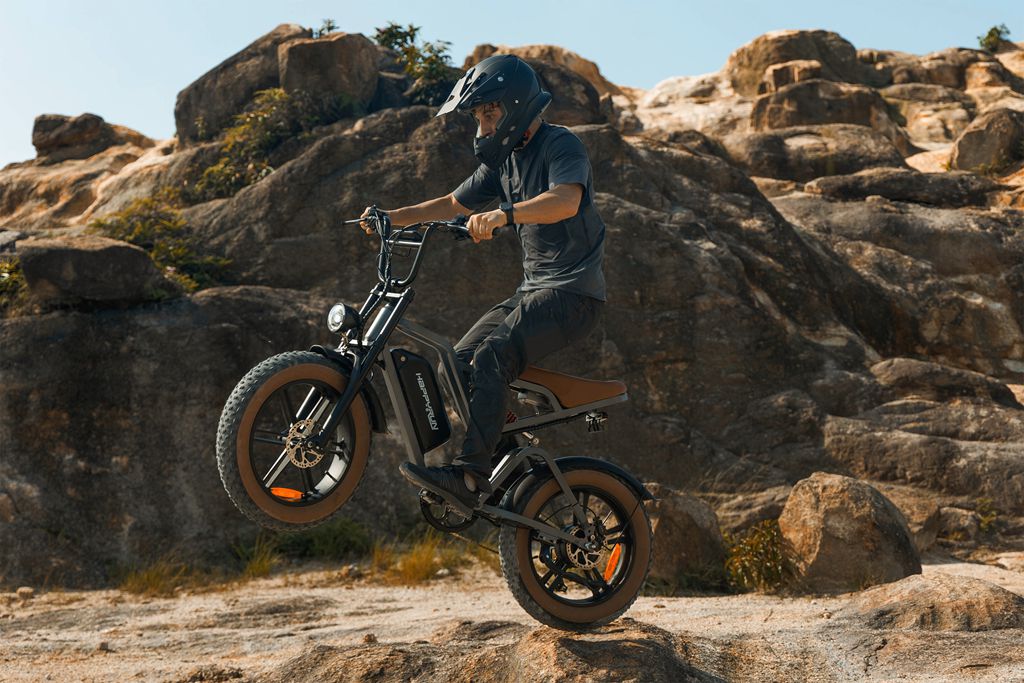
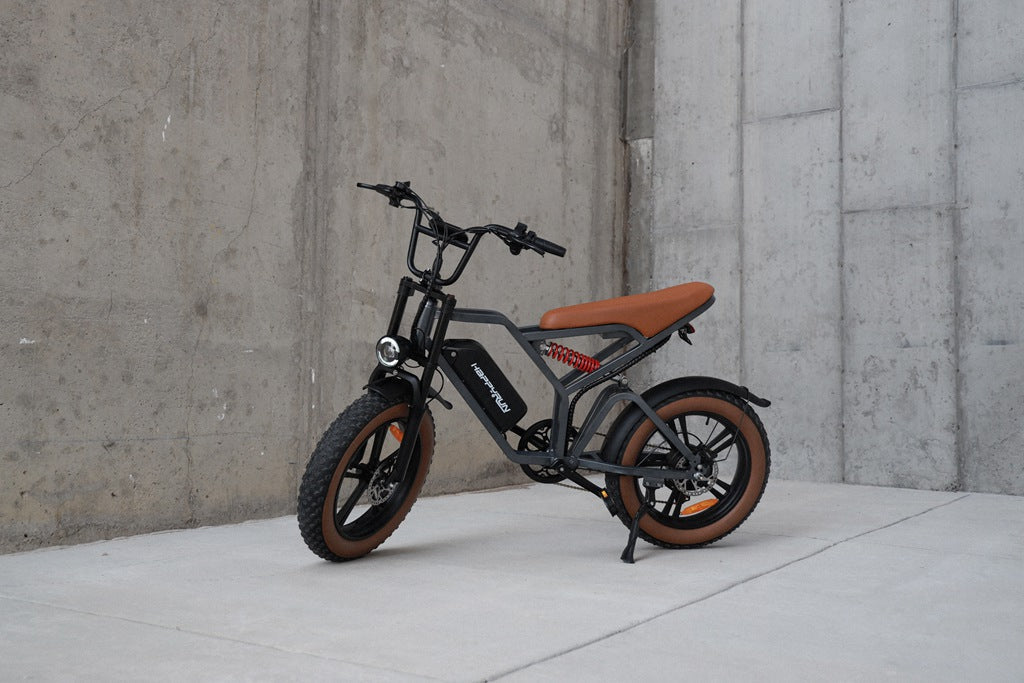
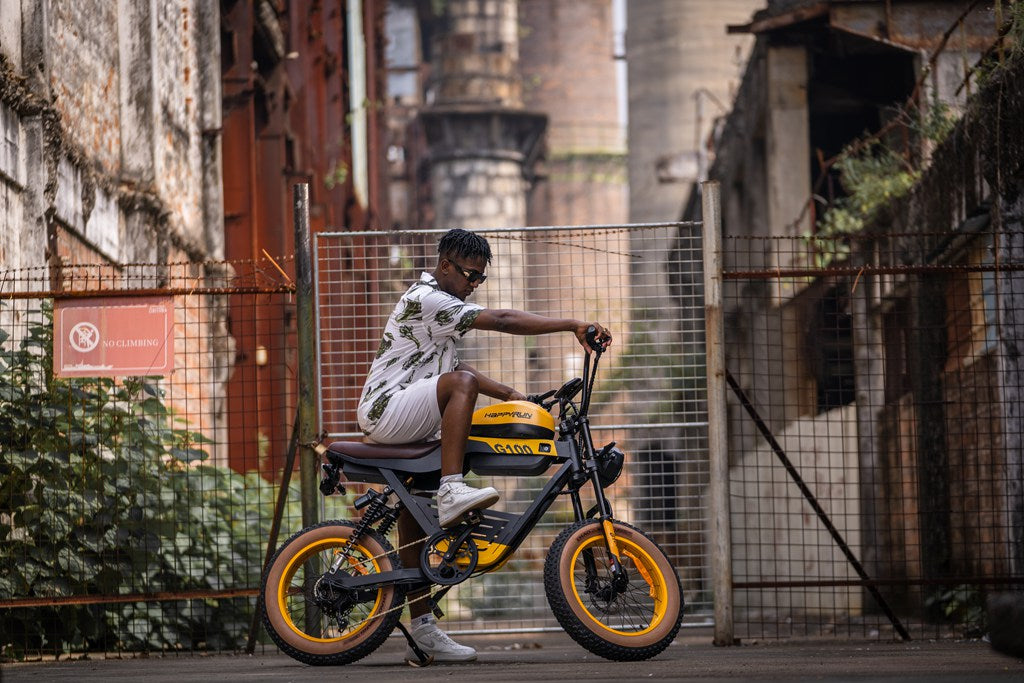


A motorcycle style ebike combines the convenience of an electric bike with a design inspired by motorcycles and mopeds. With larger frames, wider tires, longer seats, and performance-focused components, these...
Buying a street legal electric motorcycle involves more than comparing motor power, top speed, or battery range. An electric motorcycle for adults may look similar to a moped-style e-bike or...
Outdoor recreation is changing as more riders look for exciting ways to explore trails, spend time outdoors, and enjoy new riding experiences. Electric-powered two-wheelers have become increasingly popular thanks to...
The best 750-watt electric bikes for commuting balance power, range, and comfort. Top options include models with durable frames, long-lasting batteries (40-65 miles per charge), and features like integrated lights,...
High-speed e-motorcycle riders require full-face ECE/Snell-certified helmets, armored jackets with CE Level 2 protectors, abrasion-resistant gloves with palm sliders, reinforced motorcycle pants with knee armor, and over-ankle boots with ankle...
A 750W e-bike delivers higher torque and acceleration for steep hills and heavy loads, while a 500W model offers sufficient power for moderate terrain with lighter energy consumption. Real-world tests...
Maintaining a 750-watt electric bike involves regular battery care, motor inspections, tire pressure checks, brake adjustments, and firmware updates. Clean the bike monthly, store it in dry conditions, and follow...
Electric motorcycles significantly reduce environmental impact compared to gasoline-powered models. They produce zero tailpipe emissions, lowering greenhouse gases and urban air pollution. However, their overall sustainability depends on electricity sources...
Exploring affordable electric motorcycles under $15,000 reveals a growing market of capable machines. Urban commuters and weekend riders can find models balancing performance and practicality across multiple manufacturers. Electric motorcycle...
China's GB 17761-2018 standard categorizes electric bikes based on three key parameters: motor power capped at 400W, maximum speed limit of 25 km/h, and total vehicle weight (including battery) not...
When comparing hub-driven and mid-drive e-bike motors, riders must consider fundamental design differences that impact performance across various conditions. These variations influence everything from daily commuting to mountain trail adventures....
E-motorcycles consume 2.8–4 kWh per 100 km, costing $70–$200 annually for 10,000 km. Gas motorcycles averaging 2.5–3 L/100 km incur $1,600–$2,400 yearly at $8/L gasoline prices. Charging infrastructure affects e-motorcycle...