



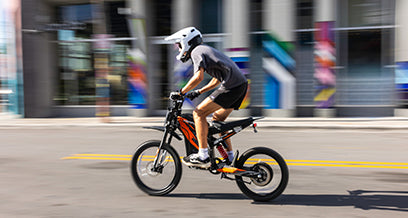


Winter Maintenance Checklist for Electric Dirt Bikes (2026 Edition)
Winter doesn’t have to mean parking your electric dirt bike until spring—but it does mean changing how you maintain it. Cold temperatures, snow, mud, road salt, and moisture introduce challenges that simply don’t exist during warmer months. Without proper winter maintenance, even a high-quality electric dirt bike can suffer from accelerated wear, reduced performance, and shortened component life.
This 2025 winter maintenance checklist is designed to help riders protect their investment, maintain peak performance, and ride safely throughout the cold season—or store their bike properly if winter riding isn’t on the agenda. Whether you ride occasionally on snowy trails or store your bike for several months, this guide covers everything you need to know.
Why Winter Maintenance Matters for Electric Dirt Bikes
Electric dirt bikes are mechanically simpler than gas bikes, but winter introduces stress factors that affect batteries, electronics, drivetrains, suspension, and braking systems.
How Cold Weather Accelerates Wear on Electric Dirt Bikes
Low temperatures cause materials to contract, lubricants to thicken, and seals to stiffen.
These changes can increase friction and reduce efficiency across multiple systems. Over time, repeated cold exposure without proper care leads to premature wear—especially in moving parts like chains, suspension seals, and bearings.
Snow, Mud, and Road Salt — The Hidden Enemies
Winter riding often means dealing with slush, wet dirt, and salt-treated roads. Salt is especially corrosive and can attack metal fasteners, brake rotors, and electrical connectors if left untreated. Even bikes with good water resistance benefit from extra protection during winter.
Electric vs. Gas Dirt Bikes: What Changes in Winter Maintenance
Electric dirt bikes eliminate oil changes, carburetor issues, and cold-start problems.
However, they introduce battery temperature sensitivity, electronic protection concerns, and drivetrain maintenance that becomes more critical in wet, cold conditions.
Battery Care Checklist for Cold Weather Riding
The battery is the most temperature-sensitive component on an electric dirt bike. Proper winter care directly affects performance, safety, and long-term battery health.
Optimal Battery Storage Temperature in Winter
Lithium-ion batteries perform best between 50°F and 77°F (10°C–25°C). In winter, this means:
- Store the battery indoors whenever possible
- Avoid leaving the bike outside overnight in freezing temperatures
- If removable, bring the battery inside after rides
Cold batteries don’t just lose range—they also charge less efficiently.
Charging Rules You Should Never Break in Cold Weather
One critical rule: never charge a frozen battery. Charging lithium cells below freezing can cause permanent damage.
Best practices include:
- Let the battery warm to room temperature before charging
- Charge in a dry, indoor environment
- Avoid fast charging in extreme cold
These steps significantly extend battery lifespan.
Range Loss in Winter — What’s Normal and What’s Not
A 20–30% reduction in range during winter is normal due to reduced chemical activity inside lithium cells. However, extreme range loss may indicate a battery that’s too cold or nearing the end of its service life.
Chain, Drivetrain, and Lubrication in Winter Conditions
Winter conditions are especially harsh on drivetrains.
How Snow and Slush Strip Chain Lubrication
Moisture combined with grit washes away chain lube faster than dry dust ever could.
Riding through snow or slush without re-lubricating accelerates chain stretch and sprocket wear.
Choosing the Right Chain Lube for Winter Riding
Use a winter-rated or wet-condition chain lubricant. These formulas resist wash-off and maintain viscosity in low temperatures. Avoid dry lubes—they evaporate quickly in cold, wet environments.
Inspection Checklist for Sprockets and Drivetrain
After winter rides:
- Check for rust spots
- Inspect chain tension
- Look for hooked or uneven sprocket teeth
Winter vs. Summer Chain Maintenance Intervals
|
Maintenance Item |
Winter Riding Conditions |
Summer Riding Conditions |
|
Chain Cleaning |
After every 1–2 rides (especially after snow or slush exposure) |
Every 3–5 rides, depending on dust and trail conditions |
|
Chain Lubrication |
After every ride or immediately after riding in snow/slush |
Every 2–3 rides |
|
Chain Inspection |
Every ride (check for rust, stiffness, stretch) |
Weekly or every few rides |
|
Sprocket Inspection |
Every 1–2 weeks (look for rust and hooked teeth) |
Monthly |
|
Drivetrain Wear Risk |
High — moisture and grit accelerate wear |
Moderate — mainly dust-related |
|
Recommended Chain Lube |
Wet or winter-rated lubricant |
Dry or all-purpose lubricant |
Suspension and Brakes — Cold Weather Performance Check
Suspension and braking performance can change dramatically in winter.
How Low Temperatures Affect Suspension Oil and Seals
Cold thickens suspension oil, reducing responsiveness. Fork seals also become less flexible, increasing the risk of leaks. Riders may notice a stiffer ride—this is normal but should be monitored.
Brake Pad Wear and Rotor Performance in Winter
Wet grit and salt accelerate brake pad wear. Rotors can corrode if not dried properly after rides. Regular inspection ensures braking consistency when traction is already limited.
Preventing Frozen or Contaminated Brake Components
After wet rides:
- Dry brake calipers and rotors
- Avoid storing the bike with wet brakes
- Gently roll the bike after storage to prevent pad sticking
Tires, Pressure, and Frame Protection Against Corrosion
Adjusting Tire Pressure for Cold and Snowy Terrain
Cold air reduces tire pressure naturally. Many riders lower PSI slightly in winter to increase grip, but pressures should still remain within manufacturer guidelines.
Spotting Micro Cracks and Sidewall Damage in Winter
Cold rubber becomes less flexible. Regularly inspect tires for:
- Sidewall cracks
- Hardening rubber
- Embedded debris
Frame and Fastener Protection from Salt and Moisture
Salt corrosion often starts small. Rinse frames gently after salty rides and apply a protective spray to bolts and exposed metal.
Recommended Winter Tire Pressure by Rider Weight
|
Rider Weight (with Gear) |
Front Tire Pressure (PSI) |
Rear Tire Pressure (PSI) |
Winter Riding Notes |
|
Under 150 lbs (68 kg) |
13–15 PSI |
15–17 PSI |
Improved front-end bite on snow and loose dirt |
|
150–180 lbs (68–82 kg) |
15–17 PSI |
17–19 PSI |
Balanced traction and stability in cold terrain |
|
180–210 lbs (82–95 kg) |
17–19 PSI |
19–21 PSI |
Helps prevent sidewall flex on frozen ground |
|
Over 210 lbs (95+ kg) |
18–20 PSI |
21–23 PSI |
Reduces rim strike risk under heavier loads |
|
Deep Snow / Slush Riding |
−1 to −2 PSI (front & rear) |
−1 to −2 PSI (front & rear) |
Re-inflate after ride to avoid sidewall damage |
Electronics, Wiring, and Waterproofing Essentials
Electric dirt bikes rely heavily on electronics, making winter protection critical.
Protecting Controllers, Displays, and Connectors
Even water-resistant systems benefit from care:
- Inspect wiring for damage
- Use dielectric grease on connectors
- Avoid high-pressure washing near electronics
IP Ratings Explained — What They Mean in Snow and Slush
An IP rating (such as IPX5) means resistance to water spray—not unlimited exposure. Snow melting into water can still work its way into vulnerable areas over time.
Post-Ride Drying and Inspection Routine
After winter rides:
- Wipe down the bike
- Let it air-dry indoors
- Check display and connectors before the next ride
Post-Ride Winter Cleaning Routine (Step-by-Step)
What to Clean Immediately After a Snow Ride
Focus on:
- Chain and drivetrain
- Brakes
- Underside of the frame
- Wheel hubs
Safe Cleaning Methods (What to Avoid)
Avoid:
- Pressure washers
- Harsh detergents
- Direct water spray at bearings or electronics
Use a damp cloth, soft brush, and mild bike cleaner instead.
Drying and Storage Best Practices
Drying prevents corrosion. Store the bike in a ventilated, dry space and avoid covering it while wet.
Preparing Your Electric Dirt Bike for Long-Term Winter Storage
Not everyone rides year-round. Proper storage matters just as much as riding maintenance.
Battery Storage for 30 / 60 / 90 Days
- Store batteries at 40–60% charge
- Check charge monthly
- Avoid full charge or full depletion
Lifting the Bike to Protect Tires and Suspension
If storing long-term, lift the bike slightly to prevent flat spots and suspension stress.
Monthly Check Routine During Off-Season
Once a month:
- Spin wheels
- Inspect for moisture
- Check battery level
Common Winter Maintenance Mistakes Riders Make
Leaving Batteries in Unheated Garages
Cold storage accelerates capacity loss over time.
Overwashing Electronics
Water intrusion often causes more damage than dirt.
Ignoring Small Rust and Seal Issues
Minor corrosion spreads quickly in winter environments if untreated.
Final Thoughts — Winter Maintenance Is Performance Insurance
Winter maintenance isn’t just about keeping your electric dirt bike clean—it’s about protecting performance, extending lifespan, and reducing long-term costs. Riders who maintain their bikes through winter often enjoy better reliability, stronger resale value, and fewer repairs in peak riding season.
High-quality electric dirt bikes built with durable components, sealed electronics, and well-engineered drivetrains naturally handle winter better—but even the best machines benefit from informed care. Treat winter maintenance as performance insurance, and your bike will reward you when the trails open up again.
FAQs: Winter Maintenance for Electric Dirt Bikes
Q1: Do electric dirt bikes need more maintenance in winter?
Yes. Cold, moisture, and salt increase wear and require more frequent inspections.
Q2: Can cold weather permanently damage lithium batteries?
Yes—especially if charged while frozen or stored long-term in extreme cold.
Q3: How often should I clean my electric dirt bike in winter?
After every wet or snowy ride, especially if salt is present.
Q4: Is it safe to ride electric dirt bikes in snow and salt?
Yes, with proper cleaning and maintenance afterward.
Q5: What’s the most important winter maintenance task to never skip?
Battery care—temperature management and proper charging are critical.
Q6: Should I stop riding altogether in extreme cold?
Below extreme temperatures, it’s often better to ride less or focus on proper storage.

E-Bike Motor Types Explained: Hub Motor vs Mid-Drive


Leave a comment