




World Cup 2026 Travel Guide: Is an E-Bike the Best Way to Get to the Stadium?
The FIFA World Cup 2026™ is officially here! But while the energy on the pitch is electric, the reality on the road is a nightmare. With 70,000+ fans flooding each venue, extensive road closures, and astronomical rideshare surge pricing, driving to the stadium area is a guaranteed way to miss kickoff.
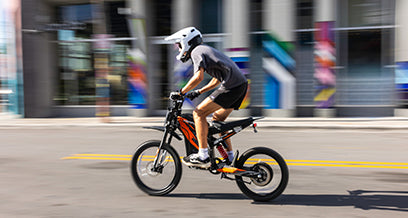
To beat the chaos, smart fans are turning to micro-mobility. Choosing a high-performance e-bike allows you to bypass miles of highway gridlock, skip $80 parking fees, and ride straight to the nearest stadium drop-off zones. Whether you need an ultra-long-range cargo cruiser like the Happyrun G70 Pro to haul your gear, or a high-torque beast like the G300 Pro and G18 Pro to conquer hilly urban terrain, an e-bike gives you total control over your schedule.
Let’s dive into why two wheels are the ultimate game-day hack, and how to pick the perfect ride to ensure your World Cup memories are about the goals, not the gridlock.
The Logistics of World Cup 2026: Why Traditional Travel Fails
The Gridlock Reality in Host Cities
The scale of the 2026 World Cup is unprecedented, with 48 teams playing 104 matches across North America. In the United States, major hubs like Los Angeles (SoFi Stadium), New York/New Jersey (MetLife Stadium), Miami (Hard Rock Stadium), and Seattle (Lumen Field) are preparing for an influx of hundreds of thousands of international and domestic fans.
Local transportation authorities are already issuing severe traffic alerts for match weeks. Here is what fans are actually facing on the ground:
Los Angeles (SoFi Stadium): Known for daily traffic bottlenecks even on regular weekends, the area surrounding Inglewood will see massive security cordons. Interstate 405 and the streets surrounding Hollywood Park will experience bumper-to-bumper delays hours before gates open.
New York New Jersey (MetLife Stadium): Hosting the highly anticipated World Cup Final, the Meadowlands Sports Complex sits inside a logistical bottleneck. Access relies heavily on the NJ Transit rail shuttle and narrow highway corridors like Route 3 and the New Jersey Turnpike, which routinely clog during major events.
Seattle (Lumen Field): While located closer to the downtown core, Seattle’s narrow Isthmus layout—squeezed between Elliott Bay and the city's eastern ridges—creates natural choke points on I-5 and Highway 99.
Compounding the traffic gridlock is the sheer scarcity and predatory pricing of official stadium parking. Standard parking spots at these venues are expected to command upward of $80 to $150 per match, requiring advanced reservations months in advance. For fans without a pre-paid pass, finding parking within a two-mile radius of the stadium gates will be practically impossible.
Why E-Bikes are the Ultimate "Stadium Access Pass"
Beat the Traffic with Dedicated Bike Lanes
One of the biggest advantages of choosing an e-bike for World Cup match days is the ability to completely bypass the vehicular gridlock by utilizing dedicated micro-mobility infrastructure. In preparation for the influx of millions of global fans, several major U.S. host cities are progressively upgrading and expanding their protected bike lane networks to ensure smoother, safer transit.
Los Angeles: The city has been actively improving its bike infrastructure and dedicated corridors surrounding key entertainment districts. Cyclists and e-bike riders can utilize these expanding networks to slide right past the gridlocked arterial roads surrounding Inglewood.
Seattle: With its established bike infrastructure, Seattle features the massive, multi-use Burke-Gilman Trail and an integrated downtown protected bike lane network. Fans heading to Lumen Field can cruise along the waterfront paths, significantly avoiding the heavy bottlenecks on I-5 and Alaskan Way.
New York New Jersey: While extensive trails like the Hudson River Greenway streamline cycling within Manhattan, transit planners are also focused on improving bike access closer to the venues. Local authorities aim to establish clear route bypasses around stadium perimeters to keep two-wheeled traffic moving efficiently despite event security.
By relying on these dedicated lanes, your travel time becomes far more predictable. While a rideshare vehicle might take an hour to move three miles in stadium traffic, a high-performance e-bike maintains a steady, efficient pace, delivering you from your doorstep or a remote parking lot straight to the stadium gates without the unpredictable delays of gridlock.
Cost-Effective and Eco-Friendly
Let’s be honest: World Cup travel can quickly drain your budget. During premium match days, event parking fees at major venues like MetLife and SoFi are expected to reach historic highs, with premium spots becoming notoriously difficult to secure.
If you rely on rideshares, prepare for standard post-match congestion. When tens of thousands of fans leave the venue at once, heavy surge pricing frequently kicks in, potentially turning a short trip into an expensive, hours-long wait. Skipping the car for an e-bike eliminates parking fees and surge pricing entirely, meaning a high-performance ride can quickly pay for itself in just a few matches.
| Commute Method | Average Match-Day Cost | Hidden Friction |
| Rideshare (Surge Pricing) | $150 - $250 (Round-trip) | Long post-match waits; distant pickup zones |
| Stadium Parking Lot | $80 - $150 (Per vehicle) | Slow exit times and heavy gridlock |
| Happyrun E-Bike | $0 | Zero wait times; direct gate-adjacent parking |
Choosing a high-performance e-bike eliminates these predatory fees entirely. Recharging a battery costs pennies, and you can bypass the parking chaos completely by locking up for free at designated city bike racks or micro-mobility zones located right on the edge of the security perimeter.
Beyond the cash savings, it’s about complete independence. Instead of sitting trapped inside a suffocating gridlock of thousands of idling cars, you are moving, cutting through the chaos, and controlling your own schedule. You get to decide exactly when you arrive and when you leave, without being held hostage by stadium traffic control.
Top 3 Happyrun Picks for Your World Cup Journey
To successfully conquer match-day traffic, you need a machine engineered for raw power and effortless operation. Happyrun’s lineup delivers exactly that for the American market. Built for pure performance, these models feature a throttle-only drive system and heavy-duty footpegs instead of traditional bicycle pedals—giving you a true electric moped feel that lets you twist the throttle and cruise straight to the gate without breaking a sweat.
The Urban Commuter: Happyrun G70 Pro
Best For: Fans commuting long distances from suburban city edges who need massive range and the ability to carry heavy game-day gear.
If you are staying outside the city center to avoid hotel price hikes—or commuting from the deep suburbs of sprawling metropolitan areas like Dallas or Los Angeles—the Happyrun G70 Pro is your ultimate transit cheat code.
Equipped with a massive 48V 33Ah dual-battery setup, this machine delivers an unmatched max range of up to 85 miles, ensuring you can make the round-trip journey to the stadium on a single charge without an ounce of range anxiety. The G70 Pro is powered by dual hub motors that pump out a combined 5000W peak power, providing an ultra-smooth ride and effortless hill-climbing capability.
With a robust 330 lbs load capacity and premium 20 x 4-inch road tires, it handles premium gear bags, coolers, or heavy commuter packs with absolute stability. Secure your entry using the smart NFC unlocking system on the large LED display, twist the throttle, and enjoy a smooth, full-suspension ride straight past the bumper-to-bumper highway lines.
The Powerhouse: Happyrun G300 Pro
Best For: Adrenaline junkies and speed enthusiasts who want to dominate the asphalt on match day and rip through off-road trails between matches.
For fans who live by the motto "go big or go home," the Happyrun G300 Pro is an absolute monster. This electric dirt bike for adults is engineered to command the road with a jaw-dropping 6500W peak power rear hub motor, rocketing you to a top speed of up to 50 mph. It is the ultimate vehicle for navigating fast-moving suburban thoroughfares before diving into the immediate stadium perimeter.
The G300 Pro doesn't just excel on pavement; it’s a dual-sport weapon. When the match is over, its 72V 30Ah battery (2160Wh), massive motorcycle-grade tires (19" front, 17" rear), and an ultra-bright 2000 Lumens LED headlight mean you can head straight out to the backcountry, desert trails, or woodland tracks for weekend thrashing.
Thanks to its 5A fast charger, you can completely juice up the battery in just 5–6 hours while watching pre-game coverage. Backed by high-performance hydraulic brakes with an aggressive 203mm rear rotor, you get massive, instantaneous stopping power to match its incredible velocity.
The Ultimate Electric Dirt Bike: Happyrun G18 Pro
Best For: Adults seeking a heavy-duty, long-range electric dirt bike to crush long stadium commutes and rough city detours.
Let’s be real: getting to a World Cup venue isn't just about weaving through traffic; it’s about surviving the miles of broken pavement and unpredictable roadblocks leading up to it. That is where the Happyrun G18 Pro steps in as the ultimate game-day cheat code.
It looks, feels, and rides like a legitimate motorcycle. Rolling on a massive staggered wheel setup—a 19-inch front tire and a 17-inch rear—this electric dirt bike for adults gives you incredible stability. Paired with a front hydraulic fork and rear spring shock absorber, it swallows up deep potholes and torn-up streets like they aren't even there.
Performance-wise, the rear hub motor delivers a serious punch, unleashing 4500W of peak power and 134 Nm of torque. That is plenty of muscle to fly up steep bridge ramps and hit a blistering top speed of 38 mph. Plus, with a massive 60V 35Ah battery (a whopping 2100Wh), you get up to 75 miles of range, meaning you can easily commute from the distant suburbs to the stadium's micro-mobility zone and back on a single charge.
At $1,499, the G18 Pro gives you heavy-duty hydraulic braking, a 350 lbs load capacity, and the absolute freedom to ignore the stadium gridlock entirely.
Practical Tips: Riding Your E-Bike on Match Day
Essential Safety Gear
Operating a high-performance, throttle-only machine requires a serious approach to safety and security, especially when navigating dense crowds and fast-moving stadium arteries. When prepping your gear list for match day, make these three items non-negotiable:
DOT-Approved Helmet: Because Happyrun models like the G300 Pro and G18 Pro comfortably hit speeds well above standard bicycles (up to 38–50 mph), a standard, flimsy bicycle helmet won't cut it. Invest in a high-quality, full-face moped or downhill BMX helmet to protect yourself during high-velocity commutes.
High-Visibility Reflective Gear: Match days often stretch long past sunset. To stay completely visible to frantic drivers and heavy shuttle traffic on perimeter roads, wear a reflective vest or attach high-lumen strobe lights to your backpack.
Heavy-Duty Anti-Theft Protection: Leaving an premium asset unattended outside a massive public venue requires heavy security. Do not rely on cheap cable locks. Pack a heavy-duty, hardened steel U-Lock or a thick moped chain lock to anchor your bike's frame directly to a permanent fixture. For ultimate peace of mind, utilize the G70 Pro’s built-in NFC smart unlocking system or remove your keys to completely immobilize the powertrain while you are inside cheering.
Planning Your Route
A successful e-bike stadium journey relies heavily on smart, proactive routing. Because World Cup host venues operate under strict security mandates, transit protocols vary significantly by city.
For instance, host cities like Seattle (Lumen Field) actively accommodate micro-mobility by planning designated bicycle and scooter parking zones. However, other high-security venues—such as New York New Jersey (MetLife Stadium)—will heavily restrict vehicular access, meaning standard stadium parking will be extremely limited and tightly controlled.
To ensure a smooth arrival, utilize this tactical routing strategy:
1. Download Local Transit Maps (1 week before kickoff):
Skip standard driving navigation. Download specialized local route planners like Google Maps (Cycling Layer), Citymapper, or official host-city transit apps to map out protected greenways and dedicated bike lanes.
2. Map the Security Perimeter (3 days before kickoff):
Check the official FIFA Host City portal to locate the general event security borders. Identify where the vehicle restrictions begin so you can plan exactly where your e-bike can efficiently bypass stalled traffic.
3. Pinpoint a Peripheral Parking Hub (2 days before kickoff):
If on-site stadium bike racks are unavailable, use your navigation app to find a secure public bike garage, transit station rack, or a nearby commercial parking lot located just outside the restricted zone to lock up your ride securely.
4. Execute a Pre-Game Trial Run (Match day morning):
Double-check your battery charge, input your mapped destination, and leave early. Navigate past the gridlock at a safe, controlled pace, remaining cautious of heavy pedestrian crowds near the venue.
Conclusion
You fought hard to get those World Cup tickets. Don't ruin the experience by spending match day staring at brake lights from the back of a gridlocked Uber or a $300 parking line.
Switching to a Happyrun e-bike completely rewrites your game-day strategy. With our pure throttle-only setups and heavy-duty footpegs, you get effortless, moped-style efficiency to bypass the traffic chaos and lock up right at the stadium's security perimeter.
Head over to the Happyrunbike electric dirt bike specialty store to discover more exclusive deals today.
Don't let broken city logistics dictate your schedule. Explore the Happyrun lineup today, skip the predatory surge pricing, and ensure you're in your seat before the opening whistle blows.
Frequently Asked Questions (FAQ)
Q: Will bike parking be available at World Cup 2026 stadiums?
A: Most major host stadiums are increasing temporary bike parking capacity to encourage sustainable travel. We recommend checking the specific stadium’s "Match Day Travel" page.
Q: Can I take an e-bike on public transit to get closer to the stadium?
A: Policies vary by city. Please check local transit authority rules.
Q: Do I need a license to ride a G300 Pro or G18 Pro in the US?
A: Regulations vary by state. Generally, these are considered off-road vehicles. Check your local state laws regarding e-bike power classifications.
Q: Which model is best for a two-person ride?
A: The G70 Pro is best designed for utility and comfort, making it the most suitable choice if you are riding with a passenger to the stadium.


Leave a comment