



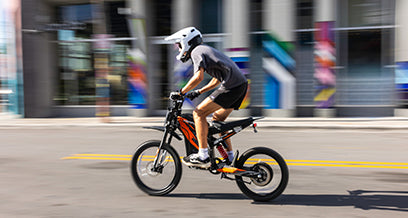


What Safety Gear is Essential for Electric Bike Riders?
Essential safety gear includes a certified bicycle helmet, high-visibility clothing, durable gloves, and protective eyewear. Helmets must meet CPSC or EN 1078 standards to absorb impact. Reflective vests or LED armbands increase visibility in low-light conditions. Full-finger gloves can improve grip and offer added hand protection during falls.
HappyRun Electric Dirt Bike G300 Pro
How Do Lights Enhance E-Bike Safety?
Front white lights (500+ lumens) and rear red LEDs are important for nighttime visibility. Strobe or pulse modes can help make riders more detectable in low light. Wheel rim lights add visibility from the side, which is often a blind spot for standard front/rear setups. Many states require lights to operate for a set period after sunset — check your local regulations, and consider USB-rechargeable models with a long runtime for convenience.
Light positioning matters for effectiveness. Handlebar-mounted headlights are generally angled slightly downward, to illuminate the road ahead without blinding oncoming traffic. Riders using a combined lighting system (front, rear, and wheel lights) are generally considered to have better visibility in urban environments, though the degree of benefit will vary by conditions. For rural riding at higher speeds, a brighter, more focused beam can help identify road hazards further ahead.
| Light Type | Minimum Lumens | Visibility Range |
|---|---|---|
| Urban Commuting | 500 | ~100 ft |
| Rural Riding | 1,200 | ~300 ft |
| Emergency Strobe | 200 | up to ~1,000 ft |
Figures are general guidelines, not manufacturer or regulatory standards; check your local laws for specific lighting requirements.
How Does Proper Maintenance Improve Safety?
Regular brake inspections help catch issues before they lead to stopping failures. Check tire pressure against manufacturer specs on a regular basis. Lubricating the chain periodically (roughly every 100–150 miles, depending on riding conditions) helps reduce wear and the risk of chain failure. Testing battery connections periodically can help avoid unexpected power loss during rides.
HappyRun Electric Bike for Adults
Advanced maintenance can further reduce risk. Periodic full-suspension checks — examining fork seals and shock absorbers — are worth doing on bikes ridden frequently or in rough conditions. For hydraulic disc brakes, many manufacturers recommend flushing the brake fluid annually to prevent moisture contamination, though intervals vary by model. Motor maintenance is often overlooked: clearing debris from cooling vents and listening for unusual grinding noises (a possible sign of bearing wear) are good habits to build into a regular routine.
| Component | Inspection Frequency | Critical Checkpoints |
|---|---|---|
| Brake Pads | Monthly | Thickness , even wear |
| Chain | Every 100 miles | stretch/wear |
| Tire Sidewalls | Biweekly | Cracks/dry rot |
Intervals are general guidance; always follow your bike manufacturer's specific maintenance schedule.
Why Are Mirrors Crucial for E-Bike Navigation?
Handlebar- or helmet-mounted mirrors help riders monitor traffic without turning their head. Wide-angle designs can meaningfully reduce blind spots, and are particularly useful in urban environments, where a significant share of cyclist collisions involve vehicles approaching from behind.
Which Protective Clothing Prevents Injury?
Abrasion-resistant jackets with CE-rated armor are widely used to reduce the severity of road rash and impact injuries in a fall. Padded cycling shorts can help prevent discomfort or numbness on longer rides. Sturdy footwear with ankle support and reflective elements adds both protection and visibility. Rain gear with sealed seams helps maintain traction and comfort in wet conditions.
What Emergency Tools Should E-Bikers Carry?
Useful items include a CO2 tire inflator, a puncture repair kit, and a multi-tool with a chain breaker. A compact first-aid kit (including basic wound-care supplies) is a good idea for longer or more remote rides. Bluetooth trackers such as Apple AirTag can help locate a bike if it's lost or stolen, though they rely on nearby devices for positioning rather than true GPS tracking. A power bank can help keep your phone charged in case of an emergency.
FAQ
- Do regular bicycle helmets work for e-bikes?
- It depends on your e-bike's class and speed. Many riders on lower-speed e-bikes use standard certified bicycle helmets, while those riding faster e-bikes or e-motorcycles may want a helmet rated for higher-speed use, with more coverage. Requirements vary by state and by e-bike classification, so check your local regulations.
- How often should I replace my bike helmet?
- A common guideline is every 3–5 years, or immediately after any significant impact, even if no damage is visible. UV exposure and age can degrade the protective foam liner over time, so periodic inspection for cracks or brittleness is a good habit.
- Are gloves necessary for short commutes?
- Many riders wear gloves even on short rides, since falls can happen at any distance. Gel-padded palms can help reduce hand fatigue and vibration on rougher terrain.


Leave a comment