



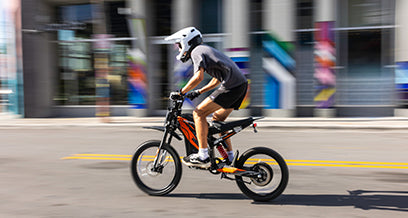


Electric Gravel Bike vs Road Bike vs Mountain Bike: Key Differences Explained
Smooth pavement, loose gravel, or rugged trails—which terrain do you ride most? Choosing between a gravel bike vs road bike vs mountain bike depends on where you ride, how far you travel, and the type of performance you need. Each bike is designed for different terrain, from speed on paved roads to stability on uneven surfaces.
Understanding the differences between an gravel ebike, an electric road bike, and an electric mountain bike can help you narrow down your options. Whether you mainly ride on paved roads, explore gravel paths, or tackle off-road trails, the right bike should match your usual routes and riding goals.
Electric Gravel Bike vs Road Bike vs Mountain Bike: Comparison Overview
Before comparing the details, it helps to look at how electric gravel bikes, electric road bikes, and electric mountain bikes differ in their overall design and riding priorities. The table below summarizes their key characteristics, providing a quick overview of what sets each type apart.
| Feature | Electric Gravel Bike | Electric Road Bike | Electric Mountain Bike |
| Primary terrain | Gravel, paved roads, and mixed surfaces | Paved roads | Dirt trails and rough off-road terrain |
| Tires | Generally wider, with tread suited to mixed surfaces | Generally narrower, prioritizing rolling efficiency | Usually wider, with tread designed for off-road traction |
| Suspension | Usually rigid, with some exceptions | Usually rigid | Rigid, front suspension, or full suspension |
| Riding position | Usually drop handlebars and a balanced riding position | Usually drop handlebars with a road-oriented position | Usually flat handlebars for control |
| Riding priority | Versatility across different surfaces | Efficiency on paved roads | Traction, control, and rough-terrain capability |
| Electric-system considerations | Assistance for longer mixed-surface rides | Assistance for road riding and climbs | Assistance for climbs and demanding off-road routes |
These overall differences come down to several key factors, including tire design, suspension, handling, and motor and battery systems. Understanding how these features affect riding performance can help you decide which type of electric bike best suits your needs.
Electric Gravel Bike vs Road Bike vs Mountain Bike: Key Differences
The main differences between these three categories involve terrain compatibility, tire design, suspension, riding efficiency, and handling. Electric models also require consideration of battery capacity, motor assistance, and total bike weight.
Tire Width and Tread Design
Tires are one of the most noticeable differences when comparing a gravel bike vs road bike vs mountain bike. Tire width and tread design vary by bike type to suit different riding surfaces.
-
Electric Road Bike: Tires are often narrower than 1.2 inches, with smooth or lightly textured tread to support efficient riding on paved roads.
-
Electric Gravel Bike: Tires commonly range from 1.2 to 2.0 inches wide, balancing rolling efficiency and traction on gravel paths and mixed surfaces.
-
Electric Mountain Bike: Cross-country tires are typically around 1.9–2.3 inches wide, while trail-oriented tires often measure 2.3–2.5 inches. Wider tires with more pronounced tread help provide grip on dirt, rocks, and uneven trails.
These measurements are general references, and actual tire sizes vary by model. Tire performance also depends on pressure, rubber compound, tread pattern, and surface conditions.
Suspension, Comfort, and Handling
Suspension design affects how each type of electric bike handles different riding surfaces.
-
Electric Road Bike: Usually features a rigid fork without suspension, keeping the design focused on efficient riding on paved roads.
-
Electric Gravel Bike: Commonly uses a rigid fork, although some models include front suspension or other comfort-enhancing features for rougher routes.
-
Electric Mountain Bike: May feature front suspension or be a full suspension electric bike, depending on the model and intended terrain., depending on its intended terrain. Suspension helps absorb impacts and improve control on uneven trails.
The best setup depends on the terrain you ride most often. Rigid designs suit smoother surfaces, while suspension can provide additional comfort and control on rougher ground.
Motor Assistance, Battery Range, and Bike Weight
Motor output, battery capacity, and total weight vary by model, but each category has typical design priorities.
-
Electric Road Bike:It uses lightweight motors and typically 250–360 Wh batteries, with lightweight models weighing around 26–35 lb to prioritize efficiency on paved roads.
-
Electric Gravel Bike:Electric gravel bikes use compact hub or lightweight mid-drive motors for mixed terrain, with batteries ranging from 250 Wh to 500 Wh or more and lightweight models weighing around 29–42 lb.
-
Electric Mountain Bike: For demanding off-road riding, electric mountain bikes typically feature high-torque mid-drive motors and 600–800 Wh batteries, with full-power models weighing around 48–60 lb and lightweight models weighing less.
These figures are approximate examples, not fixed specifications for every bike category. Actual motor output, battery capacity, and weight vary by model.
Gravel ebike vs Mountain bike vs Road bike which to buy
When deciding mountain bike vs. road bike which to buy, consider your regular routes, terrain, and riding goals.
-
Choose an electric road bike for paved-road commuting, fitness rides, and longer road trips where efficient riding is a priority.
-
Choose an electric mountain bike for off-road adventures, rocky trails, roots, and steep, uneven climbs where traction and control are essential.
-
Choose an electric gravel bike for rides that combine paved roads, gravel paths, and relatively smooth dirt trails.
What if your riding needs overlap?
If you commute during the week but explore gravel roads on weekends, a gravel eBike may offer a practical balance.
If your commute includes steep hills but stays on pavement, prioritize suitable motor assistance and gearing rather than assuming you need a mountain bike.
If your rides combine commuting, hills, and weekend adventures, consider which terrain you encounter most often and where you need the most support. Once you understand your riding priorities, explore HappyRun’s electric bike for sale to compare models for different riding needs.
HappyRun Electric Bikes for Everyday and Mixed-Terrain Riding
For riders who want an electric bike for everyday transportation, recreational rides, and some suitable unpaved surfaces, HappyRun offers fat-tire electric bike options worth exploring.
HappyRun Tank G60
The HappyRun Tank G60 electric bike is a fat-tire electric bike worth considering for everyday riding and recreational use. Its wide tires and suspension offer a different setup from traditional electric gravel and road bikes.

Key Specifications:
-
Motor: 500W (1,500W peak)
-
Battery: 48V 13Ah
-
Max Range: Up to 68 miles with pedal assist
-
Top Speed: 20 mph
-
Max Load: 330 lbs
-
Tires: 20 × 4-inch fat tires
-
Suspension: Front and rear suspension
-
Suitable Rider Height: 5'3"–6'5"
How It Fits Different Riding Needs
-
Everyday commuting: The electric assistance can help reduce pedaling effort on daily trips.
-
Mixed surfaces: The fat tires and suspension may offer added comfort on suitable uneven roads and recreational routes.
-
Hills and longer rides: Motor assistance can help with climbs, while the advertised range provides a reference point for planning longer rides. Actual range varies with riding conditions and assistance level.
Its fat-tire design makes it a distinct option for riders who prioritize everyday versatility over a conventional road-focused setup.
Conclusion
When comparing an electric gravel bike vs electric road bike vs electric mountain bike, the most important factors are your usual terrain and riding priorities. An electric road bike is generally suited to paved roads and efficient cycling. A gravel ebike offers versatility across paved and unpaved routes, while an electric mountain bike is designed for off-road terrain that requires appropriate traction, control, and suspension. Before choosing e bikes for sale, compare tire design, handling, battery capacity, motor assistance, total weight, and the manufacturer's recommended riding conditions.
FAQ
Is a gravel ebike better than a road bike?
Neither is universally better. A road bike is generally more efficient on smooth pavement, while a gravel bike offers more versatility for routes that include gravel roads and unpaved paths. The right choice depends on your usual terrain and riding priorities.
Can I ride a gravel bike like a road bike
Yes, gravel bikes can be ridden on paved roads for commuting and longer rides. When comparing gravel bike vs. road bike, road bikes prioritize speed and efficiency on smooth pavement, while gravel bikes typically have wider tires and a more versatile design for handling both paved roads and unpaved paths.
What e-bikes to stay away from?
Avoid e-bikes with unclear battery specifications, poorly documented safety features, inadequate brakes, or limited access to replacement parts and customer support. Before buying, check the manufacturer's specifications, warranty, battery information, and applicable safety testing. Also, choose a model suited to your intended terrain, whether you mainly ride paved roads, gravel paths, or off-road trails.
Can I use my mountain bike as a gravel bike?
Yes, mountain bikes can handle gravel roads, especially rough or loose surfaces. However, compared with a gravel bike vs. road bike, mountain bikes typically have wider, grippier tires and may have suspension, making them heavier and less efficient on smoother routes.
Is an electric gravel bike worth considering?
An electric gravel bike can assist with hills and longer rides on paved roads and gravel paths. When comparing an electric gravel bike with the fastest electric dirt bike, consider the differences in speed, terrain, and intended use. Before buying, compare battery range, weight, tire design, and suspension to find the right fit for your riding needs.


