



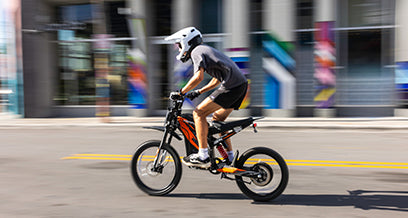


What Are the Best Fat Tire Electric Bikes for Snow
A fat tire electric bike is one of the best choices for riding in snowy conditions. Thanks to extra-wide tires (4–5 inches), strong motor torque (typically 750W or higher), and cold-weather-ready battery systems, fat tire e-bikes deliver superior traction, stability, and control on snow-covered trails and roads.
Top winter-capable models include the HappyRun G60, RadRover 6, and Aventon Aventure.2. These bikes are designed with all-terrain geometry, water-resistant electronics, and battery protection features that help maintain performance in cold temperatures—making them ideal for snowy commutes and winter adventures.
How Do Fat Tires Improve Snow Traction?
Fat tires improve snow traction by distributing the rider’s weight over a much larger surface area. This reduces ground pressure, helping the bike float on snow instead of sinking. Deep tread patterns and the ability to run low tire pressure (5–10 PSI) further increase grip on icy, slushy, or packed snow surfaces.
Many modern fat tire electric bike tires use rubber compounds that stay flexible in cold temperatures, maintaining traction where standard tires become stiff. Directional tread designs, like those found on the HappyRun G60, help channel snow away from the contact patch, improving control and braking.
For extreme ice conditions, aftermarket studded tires (e.g., 45Nrth Wrathchild) add tungsten spikes that bite into frozen surfaces. These adaptations work synergistically with mid-drive motors to deliver power without wheel spin.
What Features Are Essential for Snow Riding?
When choosing a fat tire electric bike for snow, prioritize the following features:
- High-torque motors (750W or higher)
- Thermal-insulated lithium-ion batteries
- Waterproof wiring, connectors, and displays
- Hydraulic disc brakes for wet conditions
- Adjustable suspension for uneven terrain
Models like the HappyRun G60 integrate many of these features, along with puncture-resistant tires and snow-ready components designed for winter reliability.

Which Batteries Perform Best in Cold Weather?
Cold weather significantly affects battery performance, making battery design critical for winter riding. High-quality fat tire electric bikes use lithium-ion batteries with insulation and advanced battery management systems (BMS).
Insulated batteries—such as those used in the HappyRun G60—can retain up to 80% capacity at temperatures as low as -4°F. Look for UL-certified batteries with smart management systems (BMS) to prevent over-discharge. Best practices include storing batteries indoors, installing them only right before riding, and avoiding charging in freezing conditions.
How to Maintain a Fat Tire Electric Bike in Snow
Proper winter maintenance is essential for keeping a fat tire electric bike reliable in snow:
- Wipe down the frame after every ride to remove salt and moisture
- Lubricate the chain with wet-weather or winter-specific lubricant
- Inspect brake pads frequently for ice and grit buildup
- Dry electrical connections and charging ports
Regular cleaning helps prevent corrosion and extends component lifespan during winter riding.
Winter Battery Care Tips for Fat Tire Electric Bikes
Battery care is critical in cold environments. To protect your fat tire electric bike battery in winter:
- Store batteries indoors at room temperature
- Install the battery only when ready to ride
- Avoid full-throttle riding in deep snow
- Never charge a frozen battery
These steps help preserve battery capacity and prevent long-term damage.
How to Set Tire Pressure for Snow Riding
Tire pressure plays a major role in snow performance. For a fat tire electric bike:
- 8–10 PSI works well for packed snow and groomed trails
- 5–7 PSI improves float and grip in fresh powder
- Increase pressure slightly for icy or mixed pavement conditions
Lower pressure increases traction but also rolling resistance, so adjust based on terrain and riding speed.
Are Fat Tire E-Bikes Safer Than Traditional Bikes in Snow?
Yes. A fat tire electric bike offers improved safety in snowy conditions due to better traction, wider contact patches, and enhanced balance. Pedal assist allows controlled acceleration, reducing the risk of sudden wheel spin.
Integrated lighting systems, common on modern fat tire e-bikes, also improve visibility during snowfall and low-light winter conditions.
Top-Rated Fat Tire Electric Bikes for Snow
- HappyRun G60 – 750W motor, 48V 20Ah battery, 4” tires
- Rad Power Bikes RadRover 6 – 750W geared hub motor
- Aventon Aventure.2 – Torque sensor, hydraulic brakes
Expert Insight
“Winter riding demands more than wide tires,” notes an industry engineer. “Thermal battery protection and corrosion-resistant components are just as important. Fat tire electric bikes like those from HappyRun show how winter-focused design improves reliability—but rider habits still matter.”
Conclusion
A fat tire electric bike transforms snowy terrain into a rideable landscape. With wide tires, torque-focused motors, and proper winter maintenance, these bikes deliver stability, safety, and confidence all season long. Models like the HappyRun G60 demonstrate how thoughtful winter engineering makes year-round riding possible.
FAQ: Fat Tire Electric Bike for Snow
Can a fat tire electric bike handle deep snow?
Yes. With 4-inch or wider tires and a 750W+ motor, most fat tire electric bikes can handle up to 6-10 inches of snow on suitable terrain.
How far can a fat tire electric bike go in winter?
Cold weather reduces range, but most models deliver 20–40 miles per charge. Proper battery care helps maintain range.
What tire pressure is best for snow riding?
Lower pressure improves traction. Use 5–7 PSI for fresh snow and 8–10 PSI for packed trails.
Are fat tire electric bikes street legal in winter?
Most qualify as Class 2 e-bikes (20 mph), but riders should always check local regulations.
Is the HappyRun G60 good for snow?
Yes. The HappyRun G60 is designed for winter use with wide tires, a high-capacity battery, and cold-weather-ready components.


