



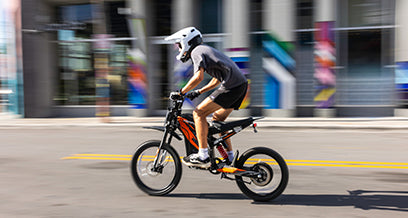


Is a Fat Tire Electric Bike Good for Commuting? A Complete Guide for Beginners and Seniors
Daily travel is changing rapidly, and many people are looking for more reliable, comfortable ways to get around. Using a fat tire ebike for commuting has become an increasingly popular option, especially for those seeking stability and comfort. But is this type of bike suitable for everyone, particularly beginners and seniors who might worry about safety and ease of handling?
A fat tire electric bike features wider tires, typically 4 inches, which offer a larger footprint. This design naturally supports stability, making it less intimidating for those who haven't ridden in years or are just starting out. This guide will explore whether these robust machines are the right fit for daily commutes.
Why Use a Fat Tire E-Bike for Commuting?
While standard bicycles have their place on perfectly paved bike lanes, real-world commuting often presents a variety of challenges. From sudden potholes to wet leaves and gravel-strewn shoulders, riders need a machine that can handle unpredictable surfaces with confidence.
Superior Traction and Stability
The defining feature of a fat tire ebike for commuting is the width of its tires, which typically measure 4 inches or more. This extra width significantly increases the contact patch, which is the actual surface area of rubber touching the road. This larger footprint translates directly into superior traction, allowing the bike to roll smoothly over loose gravel, wet pavement, and city debris without slipping.
Natural Shock Absorption
One of the most significant benefits of these wide tires is their ability to run at lower inflation pressures. While a traditional narrow tire requires high pressure to prevent flats, a fat tire can operate safely at 15 to 20 PSI. Running at this low pressure allows the tire to deform slightly over bumps, acting as a natural shock absorber that cushions the rider from harsh impacts.
Versatility Across All Terrains
Because of this robust design, a fat tire model functions effectively as an all terrain electric bike. Commuters are no longer restricted to pristine asphalt; They can easily cut through parks, ride along sandy paths, or navigate snowy streets. This versatility turns a standard journey into a stress-free ride, proving that an electric commuter bike does not have to be delicate to be practical.
Is a Fat Tire Electric Bike Easy to Ride for Beginners?
For someone who has not ridden a bicycle in decades, or who is completely new to electric models, the robust appearance of a fat tire electric bike can seem intimidating. However, the physical design of these bikes actually makes them some of the most approachable options on the market today.
Overcoming the Weight with Assist Systems
It is true that fat tire models are heavier than traditional bicycles, often weighing between 65 and 90 pounds. However, the integration of a modern pedal-assist system and a twist or thumb throttle completely offsets this weight. The motor provides seamless power as soon as the rider begins to pedal, making the bike feel incredibly light and responsive once in motion.
A Reassuring First-Time Ride
When a beginner first mounts a fat tire bike, the immediate sensation is one of solid, unyielding balance. Unlike narrow-tired bikes that can feel twitchy or unstable at low speeds, the wide footprint allows the rider to sit comfortably at a stop and set off without wobbling. By starting on the lowest pedal-assist level, a new rider can gradually get a feel for the acceleration, slowly building confidence before moving to higher speed settings.
Is It Safe and Comfortable for Seniors?
As riders age, comfort and safety become the primary considerations when choosing a mode of transportation. Physical factors such as joint sensitivity, back pain, and balance changes mean that a standard rigid bicycle may no longer be a viable option for daily travel.
Protecting Joints and the Lower Back
Commuting on uneven city streets can take a toll on the body. Many fat tire e-bikes feature advanced suspension systems, including front suspension forks or even full suspension setups that pair front and rear shocks. When combined with the natural cushioning of high-volume tires, these systems absorb the sharp vibrations from cracks and curbs, protecting the rider's lower back, wrists, and knees from repetitive strain.
Accessible Frame Designs
For seniors, mounting and dismounting a high-frame bicycle can be a physical challenge. To address this, many manufacturers offer step-through frame geometries. These frames eliminate the high top tube, allowing the rider to easily step through the frame to mount the saddle without having to swing a leg high over the back of the bike. This simple design choice dramatically increases safety and reduces the risk of tipping over when stopping.
Commuter Comparison: Fat Tire vs. Traditional Commuter E-Bikes
To help beginners and senior riders understand which option best fits their daily routine, it is helpful to look at how these bikes perform across key categories. While traditional commuter models excel in agility and weight, fat tire models offer distinct advantages in stability and comfort.
|
Feature/Road Condition
|
Fat Tire E-Bike
|
Traditional Commuter E-Bike
|
|
Shock Absorption
|
Excellent (Low PSI tires + suspension)
|
Moderate (Relies heavily on frame/fork)
|
|
Rider Stability
|
High (Wide contact patch, self-balancing feel)
|
Moderate (Requires active balance at low speeds)
|
|
Vehicle Weight
|
Heavier (65–90 lbs)
|
Lighter (45–60 lbs)
|
|
Agility & Steering
|
Deliberate, stable turning
|
Quick, nimble handling
|
|
Terrain Versatility
|
High (Sand, gravel, snow, asphalt)
|
Low (Primarily paved streets)
|
|
Safety on Wet Pavement
|
High traction, low slip risk
|
Moderate traction, higher slip risk
|
|
Comfort on Gravel/Potholes
|
Smooth, highly cushioned ride
|
Bumpy, high vibration transfer
|
As shown in the comparison, while a traditional electric commuter bike is lighter and more agile, it cannot match the sheer stability and vibration dampening of a fat tire counterpart. For riders who prioritize feeling secure over riding fast, the trade-off in weight is well worth the physical comfort.
Key Features to Look For in a Commuter Fat Tire E-Bike
When shopping for a fat tire e-bike, it is easy to get overwhelmed by the variety of specifications available. Focusing on a few critical features will ensure that the selected model provides a safe, comfortable, and reliable commuting experience.
Suspension and Frame Geometry
For maximum comfort, look for a model with at least a front suspension fork, though full suspension (front and rear) is ideal for those with joint pain. Additionally, choose a frame style—such as a step-through or a low-step design—that matches the rider's physical mobility, ensuring easy mounting and dismounting.
Certified Electrical Systems
Safety should always be a top priority, particularly when it comes to the bike's electrical components. It is highly recommended to look for an off road ebike or commuter bike that carries the UL 2849 safety certification. This standard ensures that the battery, motor, and charger have undergone rigorous testing to prevent electrical and thermal hazards during charging and operation.
Battery Range and Motor Power
A reliable commuter bike needs enough battery capacity to cover daily round trips without range anxiety. Look for high-capacity battery systems and motors that offer sufficient torque to climb local hills effortlessly. Having a robust motor ensures that the bike can easily handle the extra weight of fat tires without straining.
Recommended Fat Tire E-Bikes for Beginners and Seniors
For those seeking a reliable, high-performance option that perfectly balances comfort and power, the HappyRun product lineup offers several exceptional choices. Known for their robust construction and advanced safety features, these models are well-suited for both city streets and rugged trails.

This model is a powerhouse, featuring a highly durable frame and exceptional range. It supports dual battery configurations (up to 72V 33Ah) and a full suspension system (front fork plus rear shock absorber) that makes riding over any surface feel incredibly smooth.
HappyRun G70 and G70 Pro
Excellent cargo-style utility models that are perfect for daily errands. They utilize 20"x4.0" puncture-resistant fat tires and a robust aluminum alloy frame, offering a stable and secure ride for beginners who need to carry groceries or personal gear.
These models combine retro motorcycle styling with modern e-bike technology. With their ultra-wide tires and full suspension systems, they are designed to absorb heavy impacts, making them incredibly comfortable for seniors who want to avoid joint strain.
The HappyRun G60 & G60 Pro and G70 models are UL 2849 certified, ensuring top-tier electrical safety. Whether navigating asphalt or exploring off-road paths, their high-torque motors and versatile designs make them an outstanding investment for daily commuters.
Conclusion
Choosing a fat tire e-bike for commuting is an excellent way for beginners and seniors to reclaim their mobility and enjoy the outdoors. While these bikes are heavier than traditional models, their unmatched stability, superior shock absorption, and user-friendly features like pedal assist and step-through frames make them incredibly easy and safe to ride. By prioritizing safety certifications like UL 2849 and choosing a model with proper suspension, riders of all ages can enjoy a smooth, confident, and comfortable journey every single day.
FAQ about Fat Tire Ebike for Commuting
To help clarify any remaining doubts, here are answers to some of the most common questions prospective riders ask when considering a fat tire e-bike.
Are fat tire e-bikes harder to pedal if the battery dies?
Yes. Due to their wider tires and heavier frames, fat tire e-bikes have higher rolling resistance. While you can still pedal them manually, it requires significantly more effort than a standard bicycle. Keeping track of your battery range and planning your trips accordingly is highly recommended.
Can seniors easily lift and transport a fat tire e-bike?
Generally, fat tire e-bikes weigh between 65 to 90 pounds due to their robust frames, motors, and large batteries. This weight can make them difficult for seniors to lift onto standard car racks. Using a ramp-equipped heavy-duty hitch rack or opting for a step-through model that can be wheeled easily is recommended.
Do fat tires puncture easily on city streets with glass or debris?
No, fat tires are actually highly puncture-resistant. Their thick casing and the ability to run at lower pressures allow them to roll over sharp debris, gravel, and potholes with a much lower risk of flats compared to thin road tires.
What is the ideal tire pressure for a comfortable commute on pavement?
For city commuting on paved roads, a tire pressure of 20 to 25 PSI offers an optimal balance between smooth rolling efficiency and shock absorption. If the commute involves loose gravel or bumpy paths, lowering the pressure to 15 to 18 PSI will increase comfort and traction.
Recent Posts


