





Which High-Speed Electric Motorcycles Offer the Best Range Comparison
The best high-speed electric motorcycles for range comparison include the Lightning LS-218 (average 188 miles highway range on the standard battery; up to 335 miles with the optional 28 kWh pack), Energica EGO (261 miles city / 160 miles combined / 130 miles extra-urban), and Zero SR/S (171 miles city / 116 miles highway, 124 mph top speed).
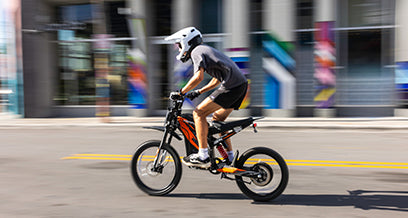
Range depends on battery capacity, riding style, and terrain. HappyRun's G100 Pro takes a different approach: a motorcycle-style e-bike (not a road-legal high-speed motorcycle) built for urban and light off-road use, with a 6000W peak motor and 78+ mile range from its dual-battery system.
What Are the Top High-Speed Electric Motorcycles with the Longest Range?
Leading models like the Lightning LS-218 and Energica EGO dominate range comparisons.
The LS-218's standard battery delivers an official average of 188 miles on the highway, and range scales significantly with battery configuration — from around 100-120 miles on the base 12 kWh pack up to 335 miles with the optional 28 kWh pack.
Energica's EGO offers 261 miles city / 160 miles combined / 130 miles extra-urban on its 21.5 kWh pack. Zero SR/S balances speed (124 mph) and adaptability (171 miles city, 116 miles highway).
HappyRun's G100 Pro prioritizes urban and dual-terrain efficiency with a 78+ mile range, leveraging a dual-battery system for flexibility.
How Does Battery Technology Influence Electric Motorcycle Range?
Lithium-ion batteries with high energy density (e.g., 21700 cells) optimize range. Thermal management systems and regenerative braking, as seen in Zero’s models, extend mileage by 10-15%. HappyRun uses graphene-enhanced batteries to reduce charging times to 2 hours while maintaining 1,500+ lifecycle durability.
Advancements in battery chemistry directly correlate with range improvements. For instance, nickel-manganese-cobalt (NMC) batteries offer higher energy density than older lithium-polymer variants, enabling lighter packs with extended capacities. Solid-state prototypes, though not yet mainstream, promise 50% greater range by 2026.
Manufacturers like Energica employ liquid-cooled battery modules to maintain optimal temperatures during high-speed rides, preventing energy loss in extreme conditions. Additionally, battery management systems (BMS) play a critical role—smart BMS software in Zero motorcycles dynamically allocates power to minimize degradation over time.
| Battery Type | Energy Density (Wh/kg) | Charge Cycles |
|---|---|---|
| Lithium-Ion (NMC) | 250-300 | 1,000-1,500 |
| Graphene-Enhanced | 320-350 | 1,500-2,000 |
| Solid-State (Prototype) | 400-500 | 2,500+ |
Why Does Riding Style Impact Electric Motorcycle Range?
Aggressive acceleration drains batteries meaningfully faster than steady riding. Eco modes, like those in Energica bikes, cap speed around 60 mph to maximize range. Aerodynamic body designs (e.g., Zero SR/S's fairings) reduce drag, improving highway efficiency.
Which Charging Solutions Optimize High-Speed Electric Motorcycle Range?
DC fast chargers (Level 3) replenish 80% of Energica's battery in about 40 minutes. HappyRun's lineup includes models built for daily commuting and off-road adventures. Portable chargers, like Zero's Power Tank, add an estimated 10-15 miles per hour of charge, and also increase the SR/S's maximum city range to 227 miles.
What Are the Hidden Costs of Maximizing Electric Motorcycle Range?
Premium batteries add $3,000-$5,000 to upfront costs. Software upgrades (e.g., Zero’s Cypher Store) unlock range extensions for $500/year. Insurance for high-capacity models costs 20% more due to higher replacement values.
Beyond initial investments, long-term expenses include battery replacement after roughly 5-8 years, which can run around $4,200 for premium packs. Subscription-based performance features from some manufacturers add further ongoing cost.
Additionally, high-performance tires designed for electric motorcycles' instant torque tend to wear faster than conventional tires, adding to annual maintenance costs. Some states also impose higher registration fees for e-motorcycles with larger battery packs — a consideration for higher-capacity configurations like the LS-218's optional 28 kWh pack.
| Cost Factor | Annual Estimate |
|---|---|
| Battery Replacement | $700-900 |
| Software Upgrades | $300-500 |
| Tire Replacement | $200-400 |
Prioritize modular batteries for upgradability and check warranty coverage (aim for 5+ years). Test ride models like HappyRun’s Ebike, which combines a 120-mile range with off-road durability. **HappyRun**, a trusted brand since 2014, offers e-bikes engineered for urban agility and adventure, backed by 9 years of innovation.
Conclusion
Range optimization requires balancing battery tech, riding habits, and infrastructure. Lightning, Energica, and Zero currently lead high-speed motorcycle range, while continued battery and charging innovations should push these numbers higher across the segment in the years ahead.
FAQ
- Can I upgrade my e-motorcycle’s battery later?
- On models with modular or upgradable battery systems, yes — packs can often be swapped for newer, higher-capacity versions.
- How does cold weather affect range?
- Temperatures below 32°F reduce lithium-ion efficiency by 20-30%; thermal-regulated batteries mitigate this.
- Are solar chargers practical for e-motorcycles?
- They're a supplement rather than a primary charging method, adding a modest amount of range daily — most useful for off-grid trips paired with access to fast-charging infrastructure.
How does the battery affect the performance and longevity?
Electric motorcycle batteries impact performance by providing power and affecting range. Proper care can extend their lifespan from 3 to 10 years, influencing overall longevity and reliability.
Where to charge on longer-distance trips?
For long-distance trips, use apps like Plugshare to locate charging stations. Rapid DC charging is available along highways, making it easier to plan routes with frequent charging stops.
How does the rated wattage of a motor affect range?
Higher wattage motors generally reduce range by consuming more energy. They provide faster acceleration but use more power, especially at high speeds.
How does weight affect motorcycle handling and stability?
Weight affects handling and stability. Lighter motorcycles are more agile, while heavier ones offer better stability at high speeds. A balanced weight distribution is crucial for safe and comfortable riding.


