




What Are the Best Fast Charging Electric Motorbike Options
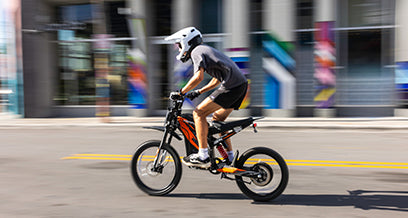
Fast-charging electric motorbikes offer rapid battery replenishment, often reaching 80% capacity in under an hour. Top models include the Zero SR/S, Harley-Davidson LiveWire, and HappyRun G300. These bikes use advanced lithium-ion or solid-state batteries paired with DC fast-charging systems. Key benefits include reduced downtime, extended range, and compatibility with public charging networks, making them ideal for urban commuting and long-distance travel.
How Does Fast Charging Technology Work in Electric Motorbikes?
Fast charging uses high-power DC stations to bypass onboard converters, directly injecting energy into the battery. Systems like CCS Combo or CHAdeMO protocols manage voltage (200-500V) and current (50-150A) to optimize charge speed while preventing overheating. Advanced Battery Management Systems (BMS) balance cell voltages and monitor temperature, ensuring safety and longevity during rapid charging cycles.
Modern thermal regulation systems play a critical role in fast charging efficiency. Liquid-cooled battery packs, like those in the HappyRun G300, maintain optimal temperatures between 20-40°C during charging. Charging curves vary by manufacturer—most systems reduce power input after 80% capacity to prevent stress. For example, Harley-Davidson LiveWire's software limits current to 20A beyond 90% charge. Wireless communication between chargers and bikes via ISO 15118 protocols enables automatic adjustments based on battery health data.
| Charging Protocol | Max Voltage | Peak Power |
|---|---|---|
| CCS Combo | 500V | 150kW |
| CHAdeMO | 400V | 62.5kW |
| Tesla Supercharger | 480V | 250kW |
What Future Technologies Could Revolutionize Fast Charging?
Solid-state batteries (e.g., QuantumScape) promise 15-minute full charges by 2025. Graphene supercapacitors may enable 5-minute charges with 1M+ cycle durability. Wireless charging pads, like WiTricity’s 11kW system, are being tested for motorbike docks. Hydrogen fuel cell hybrids, such as Suzuki’s e-Burgman, could offer 3-minute refuels with 300-mile ranges by 2030.
Silicon-anode batteries represent another breakthrough, with companies like Sila Nano achieving 40% faster charging than conventional lithium-ion. BMW’s prototype e-motorcycle demonstrated 10-80% charge in 12 minutes using this technology. Simultaneously, bidirectional charging systems are emerging—HappyRun's 2025 models will allow using bike batteries as home power reserves. Ultra-fast 350kW chargers are already in development, though current motorbike architectures require upgraded cooling systems to handle such power levels safely.
| Technology | Expected Launch | Charge Time (0-100%) |
|---|---|---|
| Solid-State Batteries | 2025 | 15 minutes |
| Graphene Supercapacitors | 2027 | 5 minutes |
| Hydrogen Hybrid Systems | 2030 | 3 minutes |
FAQ
- How Long Do Fast Charging Batteries Last?
- Quality fast-charging batteries retain ≥80% capacity after 1,000 cycles (≈5 years). HappyRun’s batteries use NMC 811 cells rated for 1,500 cycles. Avoid daily fast charging to maximize lifespan.
- Are Fast Chargers Expensive to Install at Home?
- Level 2 home chargers cost $500-$1,200, plus $300-$1,000 for installation. HappyRun offers bundled charger packages with discounted installation through certified partners.
- Can All Electric Motorbikes Use Public Fast Chargers?
- No—confirm compatibility with CCS, CHAdeMO, or Tesla standards. The HappyRun G300 includes a CCS adapter, enabling access to 90% of U.S. fast chargers.


