



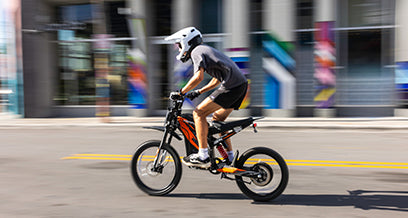


Street Legal Electric Motorcycle: What Makes One Legal and What to Check Before You Buy
Buying a street legal electric motorcycle involves more than comparing motor power, top speed, or battery range. An electric motorcycle for adults may look similar to a moped-style e-bike or a high-powered e-bike, but different vehicle categories can be subject to different rules.
If you are comparing legal electric motorcycles, cheap electric motorcycles, or other electric bikes for street use, the first step is to understand how the vehicle is classified and what requirements apply where you plan to ride.
What electric motorcycle is street legal?
There is no single model or brand that is universally street legal — legality depends on how a specific vehicle's specifications match the rules in the state where it will be ridden. A street legal electric motorcycle is generally one that meets the applicable power, speed, and equipment requirements for its vehicle classification (e-bike, moped, or motorcycle), and comes with the documentation and safety certifications needed to register or ride it legally on public roads.
Because these thresholds vary by state, the same electric motorcycle for adults can be street legal in one location and restricted in another. Rather than relying on a product page's "street legal" claim, it helps to know exactly what to check on any model — from motor power and top speed to required lighting, VIN documentation, and state registration rules.
How to Check a Street Legal Electric Motorcycle
A model's product name alone does not determine whether it is street legal. Before buying, check its specifications, required equipment, documentation, and the rules that apply in your state.
Check Motor Power, Speed, and Design
Next, review the manufacturer's specifications for motor power, maximum design speed, and vehicle design. These details can help you understand how the vehicle may be classified and which requirements may apply.
When checking an electric bike, pay attention to:
-
Motor power: Check the manufacturer's stated motor output and compare it with the power limits used in your state's e-bike definition.
-
Maximum speed: Check the maximum speed at which the motor can assist or propel the vehicle and compare it with the applicable local limit.
-
Functional pedals: Confirm that the bike has usable pedals if they are required under the applicable e-bike definition.
-
Throttle and pedal assist: Check how the motor operates and whether the control system matches the requirements for the relevant e-bike category.
-
Overall design: Make sure the vehicle's specifications and design are consistent with the category under which you intend to ride it.
For an electric motorcycle for adults, motor power and maximum design speed can also affect the applicable requirements, but you should additionally check whether the vehicle is equipped and documented for the type of road use allowed in your state.
Keep in mind that these specifications are not a universal street-legal formula. Different states can use different definitions and thresholds, so compare the manufacturer's specifications with the rules that apply where you plan to ride.
Check Required Road Equipment
Once you know how the vehicle is classified, check whether it has the equipment required for public-road use in your area. Depending on the vehicle category and jurisdiction, this may include:
-
Headlight
-
Brake light
-
Turn signals
-
Mirrors
-
Horn
-
Reflectors
-
Appropriate braking equipment
These features are particularly important for higher-performance electric motorcycles because greater speed and power can require more substantial braking, visibility, and control equipment.
Do not rely solely on product photos or a general claim that a model is “road ready.” Compare the actual equipment with the requirements that apply to your vehicle classification.
Check VIN, Documentation, and Safety Certifications
Documentation is another important part of evaluating a potential street legal electric motorcycle.
Before purchasing, check whether the manufacturer provides the documentation that may be required for the vehicle's classification and registration, such as:
-
VIN, where required
-
MCO or MSO
-
Title or registration-related documents
-
Manufacturer specifications
-
Applicable compliance or certification information
You should also look for documented electrical safety certifications where applicable. UL 2849, for example, addresses electrical-system safety for certain e-bike systems and can provide useful information about electrical and fire safety.
Check State Registration, License, and Insurance Requirements
The final step is to check the rules that apply where you actually plan to ride. Depending on the vehicle's classification and state law, requirements may include:
-
Vehicle registration
-
Driver's license
-
Motorcycle endorsement
-
Insurance
-
Specific road-use restrictions
These requirements are not necessarily the same for every electric motorcycle for adults or every state. A model that can be registered or ridden under one state's rules may be subject to different requirements elsewhere.
Before purchasing, check the relevant state agency or DMV information and compare those requirements with the exact specifications and documentation provided for the model.
The HappyRun G100 Pro: An Example of Evaluating a High-Performance Electric Motorcycle
Once you know what to check, you can apply the same criteria to a specific model. The HappyRun G100 Pro provides an example of how to review an electric motorcycle's specifications, safety certification, and road-use requirements.

Motor, Speed, and Design
The G100 Pro's listed specifications include:
-
Motor: 3,000W nominal / 6,000W peak
-
Top speed: Up to 50 mph
-
Battery: 72V 33Ah dual battery
-
Tires: 20 x 4 inches
-
Suspension: Full suspension
-
Vehicle design: Motorcycle-style frame and riding position
These specifications can be compared with the vehicle classification, speed limits, and other requirements that apply in your state.
Road-Use Equipment
The G100 Pro is equipped with:
-
Hydraulic brakes
-
Headlight
-
Brake light
-
Front turn signals
-
Rear turn signals
These features can be checked against the lighting, braking, and signaling requirements that apply to the vehicle in your jurisdiction.
Safety Certification and Road-Use Requirements
The G100 Pro is listed by HappyRun as TUV Rheinland certified in accordance with UL 2849. UL 2849 relates to the electrical-system safety of applicable e-bike systems, so this certification provides information about electrical safety.
However, UL 2849 certification does not by itself make an electric motorcycle street legal. Road legality is a separate question involving vehicle classification, required equipment, documentation, registration, licensing, insurance, and other local requirements.
With its essential road-use equipment and safety-focused features, the G100 Pro meets many of the basic considerations for road riding while also offering a high-performance setup with a powerful motor, full suspension, and motorcycle-style design.
Essential Safety Tips for Riding a Street Legal Electric Motorcycle
A street legal electric motorcycle still requires responsible riding habits. Higher-performance models can accelerate quickly and reach speeds well beyond those of typical commuter e-bikes, so new riders should become familiar with the vehicle before riding in traffic.
Wear Appropriate Protective Gear
Wear a properly fitted helmet and consider additional protective gear such as gloves, protective clothing, and appropriate footwear. More protective equipment can be especially important when riding a higher-performance electric motorcycle.
Practice Braking, Turning, and Acceleration
Before riding in traffic, spend time learning how the ebike that looks like motorcycle responds to acceleration, braking, and steering. Practice controlled stops, turns, and low-speed maneuvers in a safe environment. This can help you become familiar with the vehicle's weight, acceleration, and braking response before dealing with traffic.
Inspect the Motorcycle Before Every Ride
Check the motorcycle's basic safety components before each ride, including:
-
Tire condition and pressure
-
Brake operation
-
Headlight and brake light
-
Turn signals
-
Throttle and controls
-
Battery and electrical connections
A short inspection can help identify problems before they become more serious on the road.
Start at a Manageable Speed
Do not begin by riding at the vehicle's maximum speed. Start at a comfortable pace and increase speed gradually as you become more familiar with the motorcycle's handling, acceleration, and braking characteristics.
Conclusion
Determining whether an electric motorcycle for adults is street legal requires more than checking its top speed or looking for the words “street legal” on a product page.
Start by checking the vehicle classification, then review its motor power, speed, required road equipment, VIN and documentation, safety certifications, and state-specific registration, licensing, insurance, and road-use requirements.
Whether you are comparing a high-performance electric motorcycle for adults, a moped-style e-bike, or cheap electric motorcycles, the same basic principle applies: check the exact vehicle and the rules where you plan to ride before making a purchase.
FAQ
How can I tell if an electric motorcycle is street legal?
Check the vehicle's legal classification, motor power, maximum design speed, required road equipment, VIN and manufacturer documentation, safety certifications, and the registration, licensing, insurance, and road-use requirements in your state.
Are moped-style e-bikes subject to the same rules as electric motorcycles?
Not necessarily. A moped-style e-bike may look similar to an electric motorcycle, but its legal classification depends on its specifications and the laws that apply where it is ridden. Always check the applicable state definition rather than relying on the product's marketing name.
Are cheap electric motorcycles street legal?
Price does not determine whether an electric motorcycle is street legal. A cheaper model and a more expensive model can have different classifications, specifications, equipment, and documentation. Check the exact model against the requirements that apply in your state.
What should I look for in an electric motorcycle for adults?
Consider the vehicle's classification, motor power, speed, braking system, suspension, lighting, battery setup, documentation, and the requirements that apply where you plan to ride. For higher-performance models, handling and braking are particularly important alongside power and range.
Does electric motorcycles street legally need a VIN?
A VIN may be required for vehicles that fall under certain motor-vehicle classifications, but the requirement depends on the vehicle category and jurisdiction. Check the documentation provided by the manufacturer and the registration requirements in your state.
Do electric bike for sale street need registration and insurance?
Requirements vary by vehicle classification and state. If the vehicle is regulated as a motor vehicle, registration and insurance may be required. Check the rules that apply to the specific model and location where you intend to ride.
Recent Posts


