



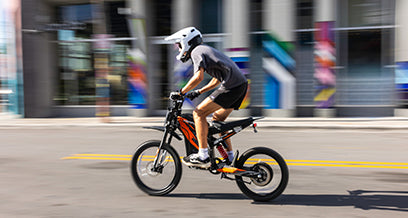


How Fast Can a 20000W Electric Bike Go?
A 20,000W electric bike can reach speeds exceeding 80 mph (130 km/h) under optimal conditions, placing this power class among the fastest e-bikes available today. However, actual speeds depend on various factors such as terrain, rider weight, battery voltage, and local regulations — and bikes in this category typically fall well outside standard e-bike classifications in most regions.
How Fast Can a 20000W Electric Bike Go?
The speed of a 20,000W electric bike can exceed 80 mph in ideal conditions. This remarkable speed places it among the fastest e-bikes available today, appealing to thrill-seekers and performance enthusiasts alike.
What Factors Influence the Speed of a 20000W Electric Bike?
Several factors influence how fast these powerful bikes can go:
- Motor Power: The wattage directly correlates with speed potential.
- Weight: The combined weight of the bike and rider affects acceleration.
- Terrain: Flat surfaces allow for higher speeds compared to hills.
- Aerodynamics: The bike's design can impact wind resistance.
How Does Weight Affect E-Bike Performance?
Weight plays a critical role in performance. A lighter bike allows for quicker acceleration and easier climbing on inclines. Conversely, heavier riders may experience reduced speed due to increased energy demands on the motor.
Why Are Legal Speed Limits Important for High-Powered E-Bikes?
In many regions, legal limits restrict e-bike speeds to ensure safety. In the U.S., Class 3 e-bikes are limited to 28 mph (45 km/h) — a 20,000W bike far exceeds this and is generally classified as a motorcycle or off-road vehicle, not an e-bike, under most state laws. Exceeding legal limits without proper registration can lead to fines, insurance issues, or accidents if proper safety measures aren't followed.
What Does the 20,000W Class Look Like in the Market Today?
The 20,000W segment is a niche, extreme-performance category populated by a handful of specialty brands rather than mainstream e-bike manufacturers. For reference, models like the Admit Jet Armor (a third-party 72V, 20,000W off-road electric dirt bike, not a HappyRun product) have been reported to reach approximately 78 mph, illustrating what this power class is capable of in real-world conditions.
Common Uses for High-Powered E-Bikes
High-powered e-bikes in this class are typically used for:
- Recreational riding in off-road environments
- Competitive or exhibition-style racing
- Extreme performance enthusiasts seeking motorcycle-equivalent power
Because of their weight, speed, and legal classification, they are rarely suited for everyday commuting.
How Can You Ensure Safety When Riding High-Speed E-Bikes?
Safety is paramount when riding high-speed e-bikes:
- Always wear protective gear such as a full-face helmet, gloves, and armored jacket
- Be aware of your surroundings and ride defensively
- Confirm your local classification and registration requirements before riding on public roads
Looking for High Performance Without the Extremes? Consider HappyRun
While the 20,000W class represents the extreme end of electric performance, most riders get more real-world value from a well-balanced, street-and-trail-capable model. HappyRun builds electric dirt bikes and e-motorcycles designed to deliver strong, controllable power for both off-road and urban use — for example, the G300 Pro (6500W peak motor, 50 mph top speed, up to 70 miles of range) offers serious performance at a fraction of the cost and complexity of a 20,000W machine, with a manageable learning curve for intermediate riders.
Buying Tips: When choosing a high-performance electric bike, consider:
• Motor power: Match it to your actual riding needs, not just the biggest number available
• Battery capacity: Look for real-world tested range, not just marketed peak figures
• Brand reputation and support: Choose brands with an established U.S. dealer network and clear warranty terms
FAQ Section
What is the top speed of a 20,000W electric bike?
Well-built models in this class can exceed 80 mph under optimal conditions, though real-world speeds vary by terrain, weight, and battery setup.
What factors affect my speed on an electric bike?
Key factors include motor power, rider weight, terrain type, and bike aerodynamics.
Are there legal restrictions on riding high-speed e-bikes?
Yes. In most U.S. states, anything above Class 3 e-bike limits (28 mph) is legally treated as a motorcycle or off-road vehicle, not a bicycle. Check local laws before riding.
Is a 20,000W bike the right choice for most riders?
For most riders, a mid-power model like the HappyRun G300 Pro offers a better balance of performance, cost, and rideability than an extreme 20,000W machine.


