



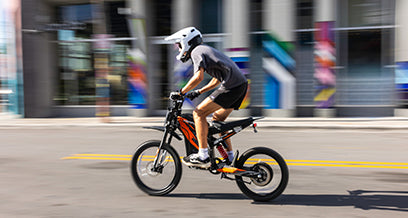


Electric Dirt Bike vs Gas Dirt Bike: Which One Is Better for Adults in 2026?
If you're trying to decide between an electric dirt bike and a gas dirt bike, the right choice depends on how and where you ride. While gas-powered models still excel in long-distance riding and quick refueling, electric dirt bikes have become a compelling alternative thanks to their instant torque, quiet operation, and significantly lower maintenance requirements.
So, which is the better option for adults in 2026? The answer depends on your riding style, budget, performance expectations, and maintenance preferences. In this guide, we'll compare electric dirt bikes and gas dirt bikes across the factors that matter most—including performance, range, maintenance, ownership costs, and real-world riding experience—to help you choose the right bike with confidence.
Electric Dirt Bike vs Gas Dirt Bike: Key Differences
1. Power Delivery: Instant Torque vs. Power Bands
-
Gas dirt bikes rely on an internal combustion engine that must build RPMs to reach its optimal "power band," requiring riders to actively manage a manual clutch and multi-speed transmission.
-
Electric dirt bikes use a battery, digital controller, and electric motor that delivers 100% of available torque instantly from 0 RPM — no clutch to feather, no gears to shift.
For beginners, this smooth and predictable power delivery can make electric dirt bikes easier to control. Experienced riders may also appreciate the immediate throttle response when climbing steep terrain or navigating technical trails.
2. Maintenance and Complexity: Plug-and-Play vs. Engine Tuning
A gas-powered motorcycle is a complex machine consisting of hundreds of moving parts. To keep it running optimally, riders must perform regular engine tuning, clean and oil air filters, change engine and transmission oil, adjust carburetors or fuel injection systems, and eventually perform costly top-end or bottom-end engine rebuilds.
Electric models drastically simplify this equation. Over time, this simpler design can reduce maintenance costs and minimize downtime compared with traditional gas dirt bikes, making electric models attractive for riders who want a more convenient ownership experience.
3. Noise, Emissions, and Riding Access
-
Gas dirt bikes are notoriously loud, often producing 90–100 decibels, plus exhaust emissions — a major reason many public riding areas near suburban neighborhoods have shut down.
-
Electric dirt bikes run almost silently, producing only a mild chain whine, with zero local emissions.
This allows riders to practice in backyards, private property, and noise-sensitive public lands without disturbing neighbors or violating local noise ordinances — significantly expanding where adults can ride in 2026.
The table below summarizes these core mechanical and operational differences:
|
Electric Dirt Bike vs Gas Dirt Bike Comparison Table
|
||
|
Feature
|
Electric Dirt Bike
|
Gas Dirt Bike
|
|
Power Response
|
Instant torque from 0 RPM; no shifting required
|
Gradual power build; requires clutch and gear shifting
|
|
Daily Maintenance
|
Low (chain, brakes, tires, battery charging)
|
High (oil changes, air filters, spark plugs, valve adjustments)
|
|
Noise Level
|
Extremely low (motor and chain noise)
|
High (engine and exhaust noise)
|
|
Environmental Impact
|
Zero local emissions; highly eco-friendly
|
Exhaust emissions; potential fuel and oil leaks
|
|
Typical Riding Range
|
Depending on battery capacity and riding conditions
|
Longer rides with quick gasoline refueling
|
|
Best For
|
Recreational riders, beginners, and low-maintenance ownership
|
Racing, long-distance riding, and experienced riders
|
Performance Comparison: How Do Electric and Gas Dirt Bikes Ride?
Specifications only tell part of the story. On the trail, track, or hill climb, electric and gas dirt bikes deliver noticeably different riding experiences in terms of acceleration, handling, range, and overall control.
1. Speed and Acceleration: Instant Torque vs. Engine Power Delivery
When it comes to acceleration, the instant torque of an electric motor can provide a noticeable advantage, especially at low speeds and during quick launches. Unlike gas dirt bikes, electric models do not need to build RPMs or rely on clutch control to deliver power to the rear wheel.
A gas dirt bike offers a more traditional riding experience. Experienced riders who understand throttle control, clutch timing, and gear selection can extract strong performance from gas-powered engines, especially during high-speed riding and motocross-style conditions.
For technical climbs, tight trails, and situations that require precise throttle control, many riders appreciate the smooth and predictable response of electric motors.
2. Range and Refueling: Battery Charging vs. Gas Tank Fill-ups
Battery range remains one of the biggest considerations for electric dirt bike buyers. A traditional gas-powered bike can continue riding as long as fuel is available, and refueling typically takes only a few minutes. This makes gas dirt bikes a practical choice for long-distance trail riding, remote areas, and multi-day adventures where charging access is limited.
Electric dirt bikes depend on battery capacity, riding conditions, and riding style. While modern lithium-ion technology has improved significantly, riders still need to plan around charging availability. Charging times vary depending on battery size and charger type, making electric models better suited for riders who typically have access to charging between rides.
3. Weight Distribution, Center of Gravity, and Handling
The physical layout of a dirt bike plays an important role in handling. Gas bikes typically carry the weight of the engine, fuel system, and transmission within the frame, creating a familiar riding feel that many experienced riders are accustomed to.
Electric dirt bikes offer more flexibility in component placement. Many mid-drive electric models position the motor low and centrally in the frame, helping create a balanced center of gravity. This design can improve maneuverability on tight trails and make direction changes feel smoother and more controlled.
Cost of Ownership: Upfront Price vs. Long-Term Value
The purchase price is only one part of owning a dirt bike. Fuel, maintenance, replacement parts, and battery costs can significantly affect long-term ownership expenses.
To provide a simple comparison, the following estimate assumes a recreational adult rider using a dirt bike approximately 40 weeks per year, averaging 2 hours of riding per week. Actual costs vary depending on the bike model, riding conditions, maintenance habits, and local energy prices.
5-Year Cost Comparison: Gas vs. Electric Dirt Bike
-
Fuel: Around $1,600 over five years based on weekly riding and an estimated $4/gallon fuel price (U.S. Energy Information Administration data can be used as a fuel price reference).
-
Maintenance: Approximately $500–$1,500 for oil changes, filters, spark plugs, and engine-related servicing.
-
Additional Repairs: Engine repairs or rebuilds may add significant costs depending on riding frequency and conditions.
Electric Dirt Bike:
-
Charging: Around $70 over five years based on average U.S. residential electricity rates from the U.S. Energy Information Administration (EIA).
-
Maintenance: Typically lower, with costs mainly for tires, brakes, chain care, and other wear items.
-
Battery: A quality battery pack may last several years under normal recreational use, although replacement costs should be considered for long-term ownership.
Overall, electric dirt bikes usually offer lower operating costs and simpler maintenance, while gas dirt bikes remain attractive for riders who prioritize long-distance riding, racing, and quick refueling.
Choosing the Best Electric Dirt Bike for Adults: HappyRun 2026 Lineup

1. HappyRun G300 Pro: The Ultimate Speed & Open-Trail Explorer
-
Best-Use Scenario: High-speed open trail riding, fast acceleration, and all-weather off-road adventures.
Key Specifications:
-
Motor Type: High-torque hub-drive motor
-
Motor Power: 6500W peak / 245 N·m torque
-
Battery & Range: 72V 30Ah lithium-ion battery / Up to 70 miles range
-
Top Speed: Up to 50 mph
-
Suspension: Full suspension
-
Brakes & Tires: Hydraulic disc brakes / 19"–17" off-road tires
-
Rider Fit: 31" seat height, fits riders 5'1"–6'5", max load 350 lbs
-
Fast Charge: 0–80% in 2.5 hours
2. HappyRun F18 2.0: The Ultimate High-Torque Climbing Machine
-
Best-Use Scenario: Technical terrain, steep hill climbing, and precision off-road control.
Key Specifications:
-
Motor Type: High-efficiency mid-drive motor
-
Motor Power: 6000W peak / 245 N·m torque
-
Battery & Range: 60V 30Ah lithium battery / Up to 60 miles per charge
-
Top Speed: Up to 46 mph
-
Suspension: Full suspension
-
Brakes & Tires: Hydraulic disc brakes (190mm) / 17"–14" tires
-
Rider Fit: Lower 26.5" seat height, fits riders 3'11"–6'1", max load 300 lbs
-
Extras: Magnetic kill switch, reverse gear, NFC start
-
Fast Charge: 0–80% in 2.5 hours

Scenario Matching: When to Choose electric dirt bike vs gas
To make the final decision easier, riders should evaluate their primary riding locations, local regulations, and personal maintenance preferences. Depending on these factors, one platform will naturally stand out as the superior choice.
- When a Gas Dirt Bike Wins
-
Remote Trail Adventures: For riders exploring remote areas with limited access to charging infrastructure, gasoline offers the convenience of quick refueling and extended range.
-
Multi-Day Riding and Racing: In endurance events or long riding trips where minimizing downtime is important, the ability to refuel within minutes remains a major advantage.
-
Traditional Riding Experience: Riders who enjoy shifting gears, controlling a clutch, and working with a mechanical engine may prefer the classic feel and involvement of a gas dirt bike.
-When an Electric Dirt Bike Wins
-
Private Property and Noise-Sensitive Areas: The quiet operation of electric motors may provide more flexible riding options on private land or areas with noise restrictions, where permitted.
-
Low-Maintenance Ownership: Riders who prefer spending more time riding and less time performing engine maintenance can benefit from the simpler design of electric powertrains.
-
Technical Trail Riding: Instant torque and smooth power delivery can help riders maintain control on challenging terrain, including steep climbs, rocks, and tight trails.
-
Lower Local Emissions: Electric dirt bikes produce zero tailpipe emissions during operation, helping reduce local emissions compared with gas-powered alternatives.
Conclusion: Making Your Choice in 2026
The choice between an electric and gas dirt bike ultimately depends on your riding environment, performance expectations, and ownership preferences.
Gas dirt bikes remain a strong option for riders who prioritize long-distance adventures, racing, and quick refueling in remote locations. Electric dirt bikes, meanwhile, are becoming an increasingly attractive choice for recreational riders who value instant torque, quiet operation, and reduced maintenance.
For many adult riders in 2026, the best choice is the bike that matches their riding style, location, and long-term needs. Explore HappyRun electric dirt bike models to find an option that fits your performance goals and riding experience


