



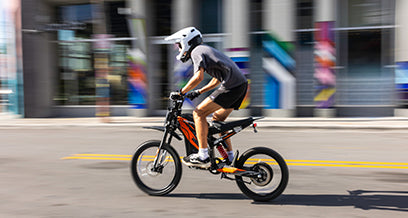


What Are the Ideal Terrain and Conditions for Riding an Off-Road E-Bike?
The ideal terrain and conditions for riding an off-road e-bike include various landscapes such as rocky mountain trails, sandy beaches, and snowy roads. These bikes are designed to handle unpredictable wilderness conditions, offering stability and ease in navigating rough landscapes. However, it’s also essential to consider weather conditions and trail status to ensure a safe and enjoyable off-road e-bike experience.
What Types of Terrain Are Best Suited for Off-Road Electric Bikes?
Off-road electric bikes are best suited for all-terrain trails in diverse landscapes, including rocky mountain trails, sandy beaches, and snow-covered roads. Fat tire e-bikes, in particular, excel on soft surfaces like sand, snow, and mud due to their oversized, wide tires that provide increased traction. These bikes are constructed to take a beating, making them perfect for navigating unpredictable wilderness.
How Do Weather Conditions Affect E-Bike Performance on Different Terrains?
Weather conditions significantly impact e-bike performance, especially on challenging terrains. Rainfall reduces the adhesion between tires and the road, potentially leading to skidding. Extreme temperatures can also affect battery efficiency. To enhance performance in wet conditions, consider equipping your e-bike with tires designed for enhanced wet adhesion and exercise caution when navigating curves or applying brakes.
What Precautions Should You Take When Riding in Wet Conditions?
When riding an off-road e-bike in wet conditions, it's crucial to take several precautions. First, check the status of the trails to ensure they are open, as some trails may close after rain to prevent damage. Avoid riding through deep water that could submerge the motor and battery. Make sure the bike has fenders to prevent water or mud from splashing onto you or others riding behind you. Also, consider lowering your tire pressure to increase traction on slippery surfaces.
How Do You Choose the Right E-Bike Based on Terrain and Conditions?
Choosing the right e-bike depends on the type of terrain and how the terrain will affect your choice. For smooth, paved surfaces where speed is a factor, an electric road bike is ideal. For mixed terrain and light trails, an all-terrain electric bike is a great choice. If you plan to tackle steep climbs, descents, and technical trails, an electric mountain bike is most suitable.
What Features Should You Look for in an Off-Road E-Bike for Varied Conditions?
When selecting an off-road e-bike for varied conditions, look for features that enhance its versatility and durability. Suspension forks and thick knobby tires provide added traction on challenging trails. A sturdy frame, powerful motor, and hydraulic brakes are essential for handling diverse terrains. Consider models with a lockable oil-spring suspension fork to absorb vibrations and ensure a smooth ride on rough terrain.
What is the Ideal Tire Pressure for Riding on Different Off-Road Surfaces?
The ideal tire pressure for riding on different off-road surfaces varies depending on the terrain. Lower tire pressure provides better traction and shock absorption on rough terrain. For sandy conditions, reducing tire pressure increases the contact area and prevents sinking. Experiment with different tire pressures to find the optimal balance between grip and rolling resistance for your specific riding conditions.
FAQ Section
-
-
Can I ride my e-bike in the rain?
Yes, e-bikes can get wet, as the electric components are highly water-resistant. -
What type of e-bike is best for mountain trails?
An electric mountain bike is built to tackle steep climbs, descents, and technical trails. -
How do I maintain my e-bike after riding in wet conditions?
Wash your bike after a ride in wet and/or muddy conditions to prevent wear and tear.
-
Can I ride my e-bike in the rain?


