



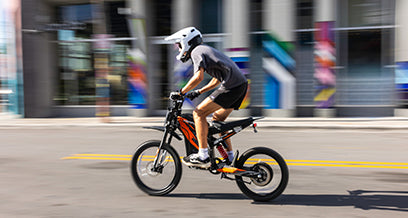


Winter Riding Safety Tips for Electric Dirt Bike Riders
How to stay safe, maintain traction, and ride confidently on snow, ice, and cold trails.
Winter doesn’t have to shut down your off-road season. For many riders, snow-covered trails, frozen forest roads, and crisp winter air actually make the riding experience more exciting.
But winter riding is not the same as warm-weather trail days—it requires different techniques, different expectations, and a higher level of awareness.
Cold temperatures affect everything: traction, braking distance, your reaction time, and even your electric dirt bike’s torque delivery. Whether you're riding a light trail e-moto or a powerful 3000W electric dirt bike like the Happyrun G300 Pro electric dirt bike, understanding winter safety fundamentals is the key to staying in control.
This guide breaks down everything you need to know about winter dirt bike riding, including terrain, braking, tire grip, visibility, battery behavior, gear recommendations, and real-world techniques for snow riding.
Why Winter Riding Requires Extra Safety Awareness
Riding an electric dirt bike in winter is absolutely possible—many riders do it all season long. But it demands more skill and more attention because:
Traction drops significantly.
Snow, frost, black ice, and slush can reduce grip by 30–70%. Even knobby tires won’t bite the same way they do on dry soil.
Braking distances increase.
A hard stop that normally takes 20 feet could suddenly require more than 40–60 feet on winter terrain.
Rider reaction time slows.
Cold muscles, bulky gloves, and reduced visibility make it harder to respond quickly.
Electric torque hits differently.
Electric motors deliver instant torque—amazing in summer, risky on icy trails if you're not smooth with your throttle hand.
This doesn’t mean you shouldn’t ride. It means you should ride with a winter mindset and proper preparation.
Understanding Winter Terrain and How It Affects Control
Not all winter surfaces behave the same. Learning how snow and ice feel beneath your tires will dramatically improve your confidence.
Snow, Ice, Slush—What Changes for Electric Dirt Bikes
- Fresh snow offers moderate grip but hides obstacles like rocks, ruts, and roots.
- Hard-packed snow behaves like a slick, low-traction road surface.
- Ice and black ice create near-zero friction and require delicate throttle and braking.
- Slush reduces stability and increases the risk of fishtailing.
How Reduced Traction Impacts Braking Distance
Even with hydraulic disc brakes, your stopping power is only as good as tire grip. Expect significantly longer stops—especially if the temperature drops below 25°F.
Why Reaction Time Slows Down in Cold Weather
Bulky gloves reduce dexterity. Foggy visors reduce visibility. Cold muscles move more slowly.
Winter riding isn't dangerous when you understand these factors and adjust your speed accordingly.
Tire Grip and Traction Control in Winter Dirt Bike Riding
Winter riding equals traction management. Your tires and throttle control matter more than anything.
Choosing the Right Tires for Snow and Ice
Off-road tires help—but for winter, consider:
- Fat tires (20×4" or larger) → larger contact patch = more grip
- Knobby off-road tread → deeper lugs improve snow clearing
- Studded tires → best for icy or frozen terrain
The HappyRun G300 Pro’s 19"/17" off-road tires give it excellent floatation and stability in winter conditions.
How to Maintain Grip on Frozen Trails
Lowering PSI increases the contact patch:
- Normal PSI: 20–30
- Winter PSI: 12–18 (depending on weight and tire size)
This increases grip but also increases the chance of rim strikes—balance accordingly.
Throttle Control Techniques for Winter Riding
- Avoid sudden twists.
- Roll on power gently.
- Stay in lower power modes when possible.
Electric torque is instant. Smooth input = stable traction.
Braking Safety in Cold Weather Conditions
Braking is the biggest challenge in winter riding.
Understanding Longer Braking Distances on Snow and Ice
You should:
- Brake earlier
- Brake softer
- Brake progressively
Hammering the lever will only lock your wheel and slide your bike.
Front Brake vs. Rear Brake Usage in Winter
-
The front brake gives stronger stopping power but is more likely to cause a wash-out.
- The rear brake is safer for slippery conditions.
Use 70% rear, 30% front in icy or snowy terrain.
ABS and Regenerative Braking: What Riders Should Know
Some e-dirt bikes have ABS or regen braking:
- Regen can behave unpredictably on ice
- ABS helps maintain control during slips
- If your bike allows, soften your regen strength in winter
Bikes like the HappyRun G300 Pro maintain excellent brake modulation thanks to hydraulic disc brakes that perform consistently in cold temperatures.
Visibility and Awareness During Winter Rides
Seeing and being seen are crucial.
Helmet Visor Fog, Low Light, and Snow Glare
Cold + moisture = fogging.
Use:
- Anti-fog spray
- Double-pane goggles
- Heated visor (if available)
Snow glare is worst during sunny afternoons—use tinted goggles.
Wearing Proper Winter Gear Without Losing Mobility
Layers are key:
- Windproof shell
- Thermal base layer
-
Insulated gloves with grip
- Neck warmer
- Winter riding boots
You should stay warm, but still retain throttle and brake control.
Keeping Your Electric Dirt Bike Stable in Cold Weather
Weight Distribution and Body Positioning
Shift your weight back when accelerating on snow to maintain traction.
Shift forward when braking to keep the front tire planted.
Low-Speed Maneuvers for Icy Terrain
Ride slowly and controlled.
Make small, deliberate steering movements.
Avoid sharp turns on ice.
How to Corner Safely in Low-Traction Conditions
- Keep the bike upright
- Shift your body weight instead of leaning the bike
- Avoid mid-turn braking
Winter corners reward caution, not aggression.
Pre-Ride Checks for Safe Winter Riding
Before heading out, check:
Battery Temperature and Range Expectations
Lithium batteries lose 20–30% range in freezing temperatures.
If possible:
- Store the battery indoors
- Pre-warm it before riding
- Avoid charging a frozen battery
The G300 Pro’s 30Ah battery maintains strong output but still benefits from warm storage.
Tire Pressure and Tread Condition
Inspect for:
- Worn lugs
- Sidewall damage
- Low PSI
Brake Performance
Cold metal reduces brake efficiency—check:
- Rotor alignment
- Pad thickness
- Freezing around calipers
Suspension Behavior at Low Temperatures
Fork oil thickens in cold weather, stiffening suspension travel.
Adjust preload or compression if needed.
Cold Weather Safety Essentials for Electric Dirt Bikes
Warm the Battery Before Riding
This improves performance and prevents range loss.
Avoid Sudden Torque Surges
Electric motors deliver instant power—smooth input keeps you upright.
Protect Electronics and Connectors
Snow and salt cause corrosion.
Use dielectric grease on connectors and wipe the bike after riding.
Winter Riding Techniques for Snow Trails
How to Start and Stop Smoothly
- Start in a low power mode
- Use steady throttle
- Stop using more rear brake than front
Standing vs. Sitting
Standing improves control on rough terrain
Sitting provides stability on ice
Switch based on surface
Reading Winter Terrain
Look for:
- Shiny patches (ice)
- Deep footprints
- Frozen ruts
- Wind-blown snow hiding rocks
Post-Ride Safety and Maintenance Checklist
Battery Storage and Charging
Charge indoors between 50°F–77°F for best health.
Cleaning Off Snow, Salt, and Moisture
Use a soft brush or towel—avoid high-pressure water.
Chain Lubrication
Cold weather dries chains faster.
Use a winter-rated chain lube.
Common Winter Riding Mistakes to Avoid
Over-Braking on Ice
Leads to immediate sliding.
Riding Too Fast for Conditions
Speed + ice = crash risk.
Ignoring Tire Pressure Adjustments
PSI is everything in winter.
Winter Riding Gear Every Dirt Bike Rider Should Have
-
Thermal gloves
- Waterproof boots
- Anti-fog goggles
- Heated handlebar grips (if possible)
- Layered clothing system
Best Winter Riding Locations in the U.S.
- Colorado high-country trails
- Michigan ORV snow routes
- Utah’s frozen desert trails
- Vermont and New Hampshire forest roads
- Pacific Northwest mountain loops
Each region has different snow textures—adjust your style accordingly.
Conclusion: Winter Riding Is Exciting—Prepare Smart and Ride Safe
Winter doesn’t have to pause your electric dirt bike adventures. With the right riding techniques, proper gear, attention to traction, and smart battery care, you can enjoy some of the most peaceful and scenic trail riding of the year.
Powerful models like the Happyrun G300 Pro electric dirt bike—with its strong torque, hydraulic brakes, off-road tires, and durable frame—are built to handle winter conditions when ridden properly. Respect the terrain, stay smooth, and winter riding will become one of your favorite seasons.
FAQs: Winter Riding Safety for Electric Dirt Bike Riders
Q1. Can you ride an electric dirt bike in snow?
Yes—snow riding is possible with proper tires, throttle control, and winter gear.
Q2. Do electric dirt bikes lose battery range in winter?
Yes, typically 20–30% due to lithium battery chemistry.
Q3. What tire pressure is best for winter riding?
12–18 PSI depending on weight and tire size.
Q4. Is regen braking safe on snow or ice?
It can be safe at low strength, but strong regen may cause rear-wheel slip.
Q5. Should I use studded tires for winter trails?
They’re not required, but they significantly improve control on icy surfaces.
Q6. Does the G300 Pro work well in winter?
Yes—its durable frame, strong hydraulic brakes, and off-road tires make it winter-capable with proper technique.


Leave a comment