


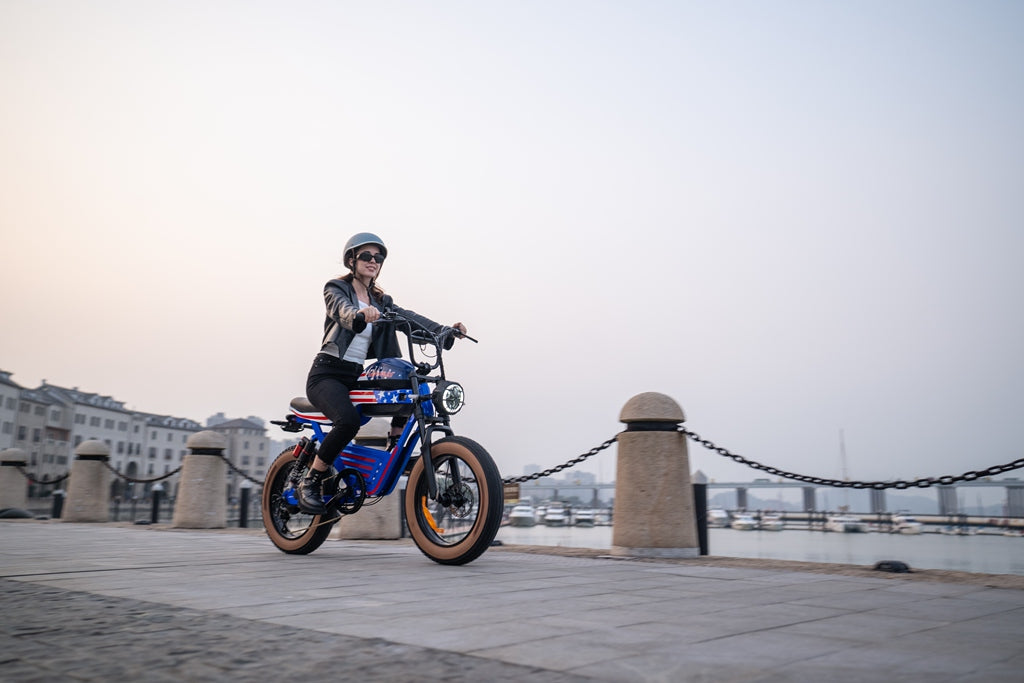
FAT TIRE E BIKE

Premium Electric G-Class SUV with 850mm Wading Depth: Engineering and Safety
A premium electric G-Class SUV with 850mm wading depth represents a fusion of luxury, advanced electric propulsion, and extreme off-road capability. The term "premium" denotes high-end materials, cutting-edge technology, and...
READ MORE
Legal Classifications and State Regulations for 3000W Electric Bikes in the U.S.
3000W electric bikes in the United States fall outside the federal definition of standard bicycles due to their power output exceeding 750W. Current federal regulations classify electric bicycles as "low-speed"...
READ MORE
Is an Affordable Double Passenger E-Bike the Best Eco-Friendly Choice?
An affordable double passenger electric bicycle combines cost-effectiveness, durability, and eco-friendly travel. These bikes feature lithium-ion batteries for extended range (40-80 km), dual-seat designs for comfort, and motor capacities of...
READ MORE
What Are the Specifications of a 4x4 Electric ATV with 3000W
A 3000W motor provides robust torque and acceleration, enabling 4x4 electric ATVs to conquer steep inclines (up to 30°), mud, and rocky terrain. The brushless DC motor design ensures efficient...
READ MORE
How Do Fat Tire Electric Bikes Handle Rugged Terrain Compared to Mountain Bikes
Fat tire electric bikes excel on soft or unstable surfaces like sand and snow due to wider tires and motor assistance, offering stability and reduced rider fatigue. Mountain bikes prioritize...
READ MORE
Which High-Performance Electric Bicycles Offer Long-Distance Capabilities?
High-performance electric bicycles with long-distance capabilities combine robust battery systems, efficient motors, and ergonomic designs. Leading models include the Specialized Turbo Vado SL, Riese & Müller Superdelite GT, and HappyRun...
READ MORE
Which Fat Tire Electric Bike Excels in Snow and Sand?
Riding in deep snow or loose sand is one of the toughest challenges for any fat tire electric bike. These surfaces create extreme rolling resistance, constant traction loss, and high...
READ MORE
Which Bike is Better for Off-Road Commuting: Fat Tire E-Bike or Mountain Bike?
Fat tire electric bikes excel in off-road commuting with motorized power, sand/snow traction, and ergonomic comfort, while traditional mountain bikes prioritize lightweight agility and manual pedaling efficiency. For mixed terrain,...
READ MORE
What Makes a Fat Tire Electric Bike Ideal for Off-Road Adventures
Fat tires (4"–5" wide) provide superior traction and stability on uneven terrain like mud, sand, or snow. Their large surface area distributes weight evenly, preventing sinking, while lower tire pressure...
READ MORE
Which E-Bikes Excel in Speed and Endurance for Long Commutes?
The best options combine robust motors (500W+), high-capacity batteries (750Wh+), and durable frames. Top models include the HappyRun Tank G60, Specialized Turbo Vado SL, and Trek Allant+. These e-bikes prioritize...
READ MORE
What Are the Maintenance Cost Differences Between Fat Tire Electric Bikes and Mountain Bikes
Fat tire electric bikes (e-bikes) and traditional mountain bikes differ significantly in maintenance costs. Fat tire e-bikes require higher expenses for battery replacements, motor servicing, and tire upkeep, while mountain...
READ MORE
How to Maintain Your Fat Tire E-Bike Battery for Optimal Performance
To maintain a fat tire e-bike battery, charge it regularly (avoiding full discharges), store it in moderate temperatures (60-80°F), and keep it clean/dry. Use only manufacturer-approved chargers, balance cells monthly,...
READ MORE