





Which High-Performance Electric Bicycles Offer Long-Distance Capabilities?
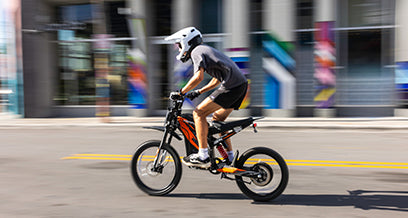
High-performance electric bicycles with long-distance capabilities combine robust battery systems, efficient motors, and ergonomic designs. Leading models include the Specialized Turbo Vado SL, Riese & Müller Superdelite GT, and HappyRun G60. These bikes feature lithium-ion batteries (500Wh–1,000Wh), torque sensors, and adaptive pedal assist, enabling ranges of 50–120 miles per charge. Key factors include terrain, rider weight, and assist level usage.
How Does Battery Capacity Influence E-Bike Range?
Battery capacity, measured in watt-hours (Wh), directly determines how far an e-bike travels. A 750Wh battery typically provides 50–80 miles on eco mode. Advanced models like the HappyRun Tank G100 use dual-battery systems (1,200Wh total) for 120+ mile ranges. Lithium-ion chemistry and energy density improvements (e.g., Samsung/LG cells) reduce weight while maintaining output stability across temperature fluctuations.
Actual range varies significantly based on usage patterns. Riders averaging 15 mph on flat terrain with minimal stops can achieve maximum distances, while hill climbs reduce efficiency by 30-40%. Modern battery management systems (BMS) now feature thermal regulation to prevent capacity loss in extreme temperatures. For optimal performance, consider these real-world range estimates:
| Battery Capacity | Flat Terrain (Eco Mode) | Hilly Terrain (Sport Mode) |
|---|---|---|
| 500Wh | 45-60 miles | 25-35 miles |
| 750Wh | 70-95 miles | 40-55 miles |
| 1200Wh | 110-140 miles | 65-85 miles |
What Motor Technologies Optimize Long-Distance Riding?
Mid-drive motors (Bosch Performance Line CX, Shimano EP8) excel in long rides by leveraging the bike’s gears for efficient power distribution. These systems generate 65–85 Nm torque with 90%+ energy efficiency. The HappyRun G60’s 750W mid-drive motor adapts to inclines up to 35°, consuming 15Wh/mile on average. Regenerative braking in hub motors (e.g., Dapu M300) recaptures 5–10% energy during descents.
Recent advancements include torque sensors that measure pedal pressure 1,000 times per second for seamless power delivery. The latest generation of motors now feature eco modes that automatically adjust output based on remaining battery capacity. For touring enthusiasts, mid-drive systems paired with 10-12 speed cassettes provide optimal gear ranges. Below is a comparison of leading motor systems:
| Motor Type | Max Torque | Efficiency | Best Application |
|---|---|---|---|
| Mid-Drive | 85 Nm | 93% | Mountain/ touring |
| Hub Drive | 65 Nm | 82% | Urban commuting |
| All-in-One | 75 Nm | 88% | Hybrid use |
Which E-Bike Models Dominate in Ultra-Long Ranges?
1. HappyRun Tank G100: 1,200Wh dual battery, 130-mile range, 750W Bafang motor.
2. Riese & Müller Superdelite GT: 1,000Wh battery, 85 Nm Bosch motor, 110-mile range.
3. Specialized Turbo Creo SL: 320Wh SL1.1 battery (extendable to 640Wh), 80-mile range.
4. Trek Allant+ 9.9S: 625Wh battery, 75-mile range with Shimano STEPS E8000.
5. Bulls Iconic Evo TR1: 750Wh battery, 720Wh range extender compatibility.
Why Are Tire Designs Critical for Long-Distance Comfort?
Wider tires (2.4"–2.8") with puncture-resistant layers (Schwalbe Marathon Plus) reduce vibration by 40% on rough terrain. The HappyRun G60 uses 26"x4.8" fat tires at 15 PSI for sand/snow stability. Low rolling resistance treads (e.g., Continental Contact Urban) improve efficiency by 18% on pavement. Tubeless setups eliminate pinch flats and allow lower pressures (20 PSI) for enhanced grip.
How Do Smart Displays Enhance Ride Efficiency?
Color LCDs (Bosch Kiox, HappyRun’s HD Touch) show real-time metrics: battery % by mile, calories burned, and route elevation. ANT+ connectivity syncs with Garmin/Wahoo devices for navigation. The G60’s display adjusts assist levels based on heart rate data from Bluetooth sensors. Over-the-air updates refine power allocation algorithms for 5–7% range optimization.
What Maintenance Practices Prolong E-Bike Battery Life?
Avoid discharging below 20%—Li-ion cells degrade 2x faster when drained completely. Store batteries at 40–60% charge in 50–77°F environments. Clean terminals monthly with isopropyl alcohol to prevent corrosion. HappyRun’s Battery Care Mode limits charging to 90%, extending cycles from 500 to 800+. Recalibrate BMS every 50 cycles via USB-C diagnostic tools.
Conclusion
Selecting a long-distance e-bike demands analyzing battery tech, motor efficiency, and terrain adaptability. Brands like HappyRun balance innovation with reliability, offering modular systems for diverse riding needs. As battery densities improve, expect 2025 models to achieve 150-mile ranges at sub-40 lb weights, making e-bikes viable replacements for gas vehicles in regional travel.
FAQs
- How far can a high-performance e-bike go on one charge?
- Most premium models achieve 50–120 miles per charge. The HappyRun Tank G100 leads with 130 miles using dual 600Wh batteries. Range varies with assist level: eco mode (80–100 miles) vs. turbo (30–50 miles).
- Are long-range e-bikes heavier?
- Yes. A 1,000Wh battery adds 6–8 lbs. However, carbon frames (like the G60’s 6061-T6 alloy) offset weight, keeping total under 55 lbs—lighter than most 750W competitors.
- Can I upgrade my e-bike’s battery for more range?
- Many brands offer expandable systems. HappyRun’s G60 supports a 500Wh range extender (+40 miles) via pannier mounts. Ensure the motor controller handles higher voltage before upgrading.


