



What You Need to Know About High-Speed Electric Bikes
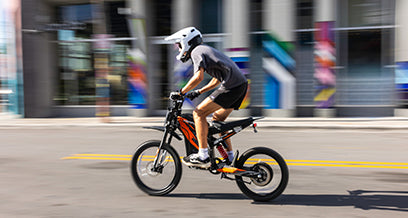
High-speed electric bikes are designed for performance, often reaching speeds of 28 mph (45 km/h) or more, depending on their specifications. These bikes combine powerful motors, advanced battery technology, and lightweight materials to deliver an exhilarating riding experience while maintaining efficiency.
How Fast Can High-Speed Electric Bikes Go?
High-speed electric bikes can reach impressive speeds, with some models exceeding 60 mph (96 km/h) under optimal conditions. Most high-speed e-bikes typically have top speeds ranging from 28 mph (45 km/h) to 50 mph (80 km/h), making them suitable for both commuting and recreational riding.
Chart: Top Speeds of Popular High-Speed Electric Bikes
| Model | Top Speed | Motor Power |
|---|---|---|
| Hi Power Cycles Revolution XX | 75 mph | 5000W |
| Hallomotor FC-1 | 68 mph | 3000W |
| Hi Power Cycles Revolution X | 60 mph | 3000W |
| Delfast Top 3.0i | 50 mph | 3000W |
| Stealth B-52 | 50 mph | 3000W |
| HappyRun G100 Pro | 50 mph | 3000W |

What Components Influence the Speed of Electric Bikes?
Several components play a crucial role in determining an electric bike's speed:
- Motor Type: Hub-drive motors are common but mid-drive motors offer better torque and efficiency.
- Battery Capacity: Higher capacity batteries provide longer ranges and can support higher power outputs.
- Weight: Lighter bikes generally accelerate faster and maintain higher speeds more easily.
Chart: Component Influence on Speed
| Component | Influence on Speed |
|---|---|
| Motor Type | Determines power delivery and acceleration |
| Battery Capacity | Affects range and sustained power output |
| Weight | Lighter bikes accelerate faster |
How Do Motor Types Affect Performance in High-Speed E-Bikes?
Motor types significantly impact performance:
- Hub Motors: Typically less expensive and easier to maintain but may not provide as much torque as mid-drive motors.
- Mid-Drive Motors: Positioned at the bike's center, offering better weight distribution and efficiency, especially on hills.
What Are the Key Features of High-Speed Electric Bikes?
Key features that enhance high-speed electric bikes include:
- Regenerative Braking: Helps recharge the battery while slowing down.
- Advanced Suspension Systems: Improves stability at high speeds.
- Integrated Lighting Systems: Enhances visibility for safer riding.
How Do High-Speed Electric Bikes Compare to Traditional Bikes?
High-speed electric bikes offer several advantages over traditional bikes:
- Speed and Efficiency: They can travel faster with less effort.
-
Range: Many models can cover longer distances without needing frequent recharges.
However, they may also require more maintenance due to their complex systems.
What Safety Features Are Essential for High-Speed Riding?
Safety is paramount when riding high-speed electric bikes:
- Hydraulic Disc Brakes: Provide superior stopping power.
- Reflective Elements: Enhance visibility during low-light conditions.
- Quality Tires: Ensure better grip and stability at high speeds.
What Should You Consider When Buying a High-Speed Electric Bike?
When purchasing a high-speed electric bike, consider:
- Speed Requirements: Determine how fast you need your bike to go.
- Motor Power: Look for at least a 3000W motor for optimal performance.
- Battery Life: Ensure it meets your range requirements.
- Weight Limitations: Check if it suits your riding style and comfort.
HappyRun is a great choice for e-bike customers in the USA. With nine years of experience, HappyRun has established itself as a reliable brand that focuses on innovation and customer satisfaction.
FAQ Section
-
What is considered a high-speed electric bike?
A high-speed electric bike typically reaches speeds of 28 mph (45 km/h) or more. -
How fast can high-speed electric bikes go?
Many models exceed speeds of 60 mph (96 km/h), depending on their specifications. -
What motor power do I need for a high-speed e-bike?
Look for at least a 3000W motor for optimal performance in high-speed scenarios. -
Are there safety concerns with high-speed e-bikes?
Yes, safety features like hydraulic brakes and reflective elements are essential for safe riding at high speeds. -
What are the performance features of high-speed eBikes?
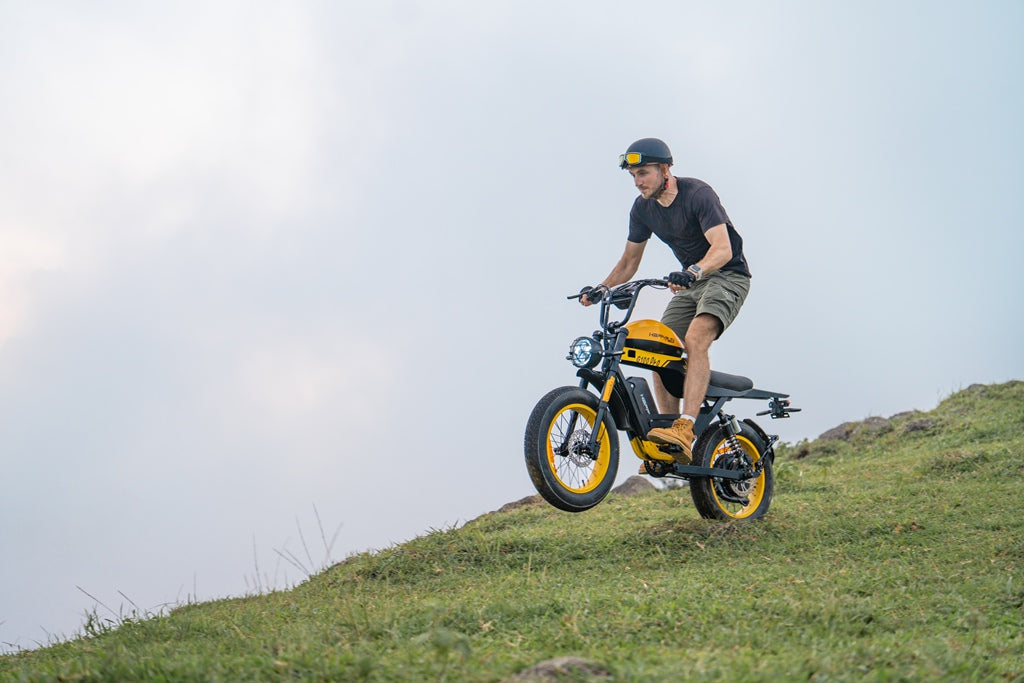
High-speed eBikes feature powerful motors (750W–3000W), high-capacity lithium batteries, aerodynamic frames, and advanced suspension systems for stability. Many models, like the Happyrun G100 Pro, offer top speeds of 30+ mph, hydraulic brakes, and fat tires for superior traction.What safety gear is required for high-speed electric bike riding?
Essential safety gear includes a DOT-approved full-face helmet, gloves, knee and elbow pads, protective eyewear, and reflective clothing. For added protection, armored jackets and reinforced riding boots help prevent injuries during high-speed rides.What are the legal speed limits for eBikes in different regions?
In the U.S., Class 1 and 2 eBikes are limited to 20 mph, while Class 3 can reach 28 mph. European regulations cap speeds at 25 km/h (15.5 mph), while some countries allow higher limits for private or off-road use.What are the best high-speed eBike models for off-road trails?
Top high-speed off-road eBikes include the Happyrun G100 Pro, Sur-Ron X, and Rambo Rampage. These models offer rugged tires, full suspension, and motors exceeding 1000W for enhanced power and control on rough terrain.How to maintain high-speed eBike motors for longevity?
Regularly clean the motor area, check for overheating, and inspect wiring connections. Use high-quality lubricants for moving parts, update firmware when available, and avoid excessive load to prevent strain on the motor.How do high-speed eBike commuting costs compare to motorcycles?
High-speed eBikes are cheaper to operate than motorcycles, costing around $0.01–$0.05 per mile in electricity, compared to $0.10–$0.20 per mile in fuel. They also require less maintenance, no insurance, and lower registration fees, making them a cost-effective commuting option.


Leave a comment