



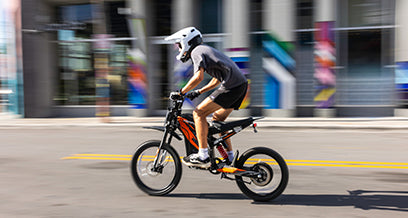


What Are the Essentials of Riding an Electric Bike?
An electric bike is a bicycle equipped with an integrated electric motor that assists with pedaling, making it easier to navigate various terrains and distances. These bikes combine traditional cycling with modern technology, offering a convenient and eco-friendly transportation option.
What is an Electric Bike and How Does it Work?
An electric bicycle utilizes a battery-powered motor to provide assistance while pedaling. This motor can be activated through various modes, allowing riders to choose how much help they need. Typically, e-bikes feature three main components: the motor, battery, and controller. The motor can be located in the hub (hub motor) or at the bike's bottom bracket (mid-drive motor), influencing performance and handling.Diagram of Electric Bike Components
What are the Benefits of Electric Bicycles for Commuters?
The benefits of electric bicycles are numerous:
- Sustainability: E-bikes produce zero emissions during operation, making them an environmentally friendly choice.
- Health Benefits: Regular use promotes physical activity, improving cardiovascular health while reducing the effort required compared to traditional biking.
- Cost Efficiency: While the initial investment may be higher, e-bikes save money on fuel, parking fees, and maintenance over time.
These advantages make electric bikes a compelling option for urban commuting.
How to Maintain an Electric Bike for Longevity?
Proper maintenance is essential for ensuring your electric bike performs optimally over time. Key maintenance tips include:
- Regular Cleaning: Keep your bike clean by wiping down surfaces and removing dirt buildup, especially around the motor and battery.
- Battery Care: Charge your battery regularly and avoid letting it completely discharge. Store it in a cool, dry place.
- Tire Checks: Regularly inspect tire pressure and tread wear to ensure safety and efficiency.
By following these practices, you can extend the life of your e-bike.
What are the Best Practices for Riding an E-Bike Safely?
To enjoy a safe riding experience on your e-bike, consider these best practices:
- Wear Protective Gear: Always wear a helmet and consider additional protective gear like knee pads.
- Know Your Surroundings: Stay aware of traffic conditions and potential hazards on the road.
- Use Gears Wisely: Shift gears appropriately to manage speed and power effectively, especially when starting from a stop or climbing hills.
These practices will enhance your safety while riding.
What Should You Understand About E-Bike Regulations?
Understanding e-bike regulations is crucial for compliance and safety. Regulations vary by region but generally include:
- Speed Limits: Many areas impose speed limits on e-bikes, often capping them at 20 mph for pedal-assist models.
- Age Restrictions: Some jurisdictions require riders to be a certain age or wear helmets.
- Bike Lane Usage: Familiarize yourself with local laws regarding where e-bikes can be ridden—some places allow them on bike paths but not on sidewalks.
Being informed about these regulations will help you ride responsibly.
FAQ
-
What is the average range of an electric bike?
Most electric bikes can travel between 20 to 50 miles on a single charge, depending on terrain and usage. -
Do I need a special license to ride an e-bike?
Typically, no special license is required; however, regulations vary by location. -
How fast can electric bikes go?
E-bikes generally have speed limits set by local laws; most pedal-assist models cap at around 20 mph.


Leave a comment