



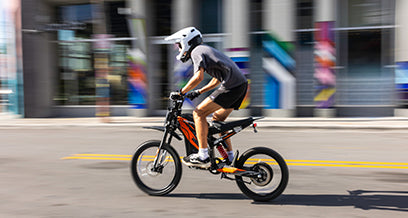


Electric Bike Setup Tips for Beginners: Safety Guide
Electric bikes for commuting are rapidly taking over the world. Thanks to their innovative design, high-quality performance, and powerful motor, multiple users are running to local stores to get their first electric bike.
We want you to enjoy your new electric mountain bike as much as possible, therefore we assembled this article with safety essentials you must know as a new owner.
Choose the Right Electric Bike for Beginners
Before talking about e-bike safety essentials, it is important to understand why you need to choose an appropriate electric power commuter bike.
-
Riding purpose: Decide whether you primarily need an e-bike for commuting, recreational riding, or off-road adventures.
-
Bike fit: Choose a frame size and riding position that allow you to reach the handlebars, operate the brakes, and put a foot down when needed.
-
Motor and assistance: Understand how the motor responds to pedaling or throttle input, depending on the bike's design.
-
Brakes and tires: Check that the braking system and tires suit your intended terrain.
-
Weight and handling: Make sure you can maneuver, park, and move the bike safely when the motor is off.
Before you purchase your ebike, make sure to understand in which conditions you can use it. This has to do with the techniques you might need to use on each terrain, and not entirely about the bike’s composition.
Now that we’ve made this clear, let’s begin with this e-bike safety guide!
Choosing the Right Electric Motorcycle: A Comprehensive Guide - YouTube
Learn Your E-Bike’s Controls and Settings
Before you hit the road, it's essential to familiarize yourself with your ebike. These bikes come in various models and styles, each with different features and settings.
Start by reading the user manual. Understand the display and controls, and ensure the battery is properly charged. Knowing your road bike inside and out is the first step towards confident riding.
Electric Bike Setup Tips for Beginners: Pre-Ride Checklist
-
Tires: Look for visible damage and inflate them to the pressure recommended by the manufacturer.
-
Brakes: Squeeze both brake levers and confirm that the brakes engage properly.
-
Wheels: Check that both wheels are secure and show no obvious signs of damage.
-
Handlebars and saddle: Make sure they are secure and adjusted to a comfortable riding position.
-
Battery: Confirm that the battery is properly installed and has enough charge for your planned trip.
-
Lights and display: Check that the lights, display, and essential controls work correctly.
-
Chain and drivetrain: If your e-bike uses a chain, look for visible damage, excessive slack, or unusual wear.
Safety First : Gear Up and Follow Local Rules
Safety should always be your top priority. Equip yourself with a certified helmet, gloves, and other protective gear. Ensure your bike is equipped with front and rear lights for visibility. Learning the rules of the road and local cycling regulations is also crucial for safe riding.
Braking Techniques
Mastering the art of braking is key to safe ebike riding. Most ebikes come with both front and rear brakes.
To avoid skidding, apply both brakes evenly. Gradually squeeze the brakes rather than jamming them suddenly. Practice braking in an empty parking lot to get a feel for it.
In low-traction conditions, it is recommended that you apply the rear brake before using the front brake.
Bonus Question: How Do Hydraulic Disc Brakes Work On A Bike?
Since your ebike has two brakes, one for the front wheel and the other one for the rear wheel, they are controlled by different levers. When pressing the levers, the disc brakes will start to slow down the bike by applying pressure on the wheel.

Hydraulic Disc Brakes Work On A Bike
Gearing Up
Understanding your ebike's gears is essential for maintaining a smooth ride. Lower gears are for uphill climbs and slow speeds, while higher gears are for faster, flat terrain. Use the right gear to maintain a comfortable pedaling cadence, which is generally around 60-80 revolutions per minute.
As a beginner, spend some time trying out the different gears to find a comfortable stop. This way you’ll also practice shifting the gears seamlessly and easily.
Bonus Question: Where Are The Gears On An Electric Bike?
Ebikes have their speed shifters on the handlebar, and it looks similar to a small bicycle ring bell. You shift the gears by changing the position of a shift lever (called a shifter)
Change the gears only when the pedals are moving forward!
Adjusting the Seat & Handlebar
Proper ergonomics are crucial for a comfortable ride and to prevent strains or injuries. Adjust your seat height so your legs are almost fully extended at the bottom of your pedal stroke.
Your handlebars should be at a height that allows a slight bend in your elbows. This ensures a balanced and efficient riding position.
Trail Riding Tips for Beginners
-
Start with easy trails: Choose routes that match your experience and the bike's intended use.
-
Control your speed: Slow down before corners, descents, and uneven sections.
-
Look ahead: Scan the trail for loose gravel, roots, rocks, and other obstacles.
-
Brake smoothly: Avoid abrupt braking or sharp steering on loose or slippery ground.
-
Leave enough space: Maintain a safe distance from other riders, especially when visibility is limited.
-
Prepare for the route: Bring water, a charged phone, and basic repair supplies. Plan for enough battery capacity to return.
-
Wear suitable protection: Use a properly fitted helmet and consider additional protective gear appropriate for the terrain.
Battery & Chain Management
Understanding your ebike's battery is vital for a hassle-free ride. Keep an eye on the battery indicator, and plan your trips to ensure you have enough power to return safely. Recharge the battery when it's low to avoid being stranded without assistance.

Bonus Question: How To Ride A Bike Without Wearing Out The Chain And Sprocket?
To prevent your ebike chain from wearing down, it is advisable that you keep it lubricated and conduct a condition check after a few rides.
Ensure that your chain is correctly tensioned, not too loose or too tight, as this can strain the sprocket. When riding, avoid excessive force on the pedals, especially when shifting gears. Smooth, consistent pedaling will reduce stress on the chain and sprocket.
Learn About Pedal Assistance
Ebike pedal assistance levels can vary from minimal to significant. Familiarize yourself with these settings to adapt to different riding conditions. Start with lower assistance levels to conserve battery, and increase it when you need an extra boost, like when climbing hills or facing strong headwinds.
You can enjoy pedal and throttle assistance when the power button is turned ON.
Recommended HappyRun E-Bikes for Beginners
HappyRun Tank G60 UL 2849: For Everyday Riding
-
Motor: 500W nominal, 1,500W peak
-
Battery: 48V 13Ah Lithium Battery
-
Advertised range: Up to 68 miles
-
Top speed: Up to 20 mph
-
Brakes: Front and rear hydraulic disc brakes
-
Tires: 20 × 4-inch road tires
-
Suspension: Full suspension
-
Maximum payload: 330 lbs
-
Bike weight: 83 lbs
-
Certification: UL 2849
HappyRun G70 UL 2849: For Longer Rides and Extra Cargo Capacity
-
Motor: 750W nominal, 2,000W peak
-
Battery: 48V 13Ah (Top) + 13Ah (Bottom) Lithium Battery
-
Advertised range: Up to 85 miles
-
Top speed: Up to 20 mph
-
Brakes: Front and rear hydraulic disc brakes
-
Tires: 20 × 4-inch road tires
-
Suspension: Full suspension
-
Maximum payload: 330 lbs
-
Bike weight: 98 lbs
-
Rear-rack capacity: 50 lbs
-
Certification: UL 2849
Final Words
Ebike riding is an enjoyable and eco-friendly way to explore your surroundings, commute, or get some exercise. To fully enjoy the experience and stay safe on the road, remember to know your ebike, prioritize safety, master braking and gearing, adjust your seat and handlebar, practice balance, manage your battery, learn about pedal assistance, and observe traffic rules.
With these tips, you'll soon be confidently navigating the world of ebike riding. So, hop on your ebike, and let the journey begin!
Frequently Asked Questions
What Should Beginners Check Before Riding an Electric Bike?
What Is the Best Electric Bike Setup for Beginners?
Should Beginners Use High or Low Pedal Assistance?
Can Beginners Ride an Electric Bike on Trails?
How Can Beginners Extend an E-Bike Battery's Range?


Leave a comment