





How Fast Can a 1000W Electric Bike Go?
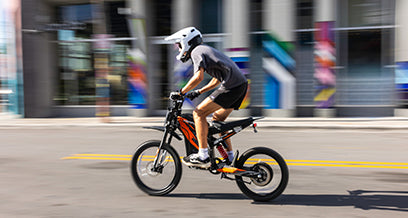
A 1000W electric bike can achieve impressive speeds, typically ranging from 28 to 35 miles per hour (45 to 56 kilometers per hour), under normal pedal-assist riding, though unlocked or off-road modes on some models can push past that. So how fast does a 1000w electric bike go in practice? The actual speed depends on various factors, including rider weight, terrain, and battery capacity. Understanding these influences is essential for maximizing performance and safety.
Perhaps the most important part of an electric bike if the motor. While a traditional bike relies on the power of the rider, an electric bike is only as good as the motor that pushes the bike forward! The motor is responsible for converting the electricity from the battery to the pedal assist or throttle. With so many different electric bikes, it is difficult to know just how fast each model will go. Some will purchase smaller lightweight electric bikes, while some will purchase fat tire electric bikes. But no matter what model you choose, the question remains - with a 1000w motor, how fast can an electric bike go?
Understanding Speed of 1000W Electric Bikes
While a 1000W motor can provide plenty of power for high-speed riding, motor wattage alone does not determine how fast an electric bike will actually go. The bike’s real-world top speed depends on how the motor works together with the battery, rider, terrain, and riding conditions. Understanding these factors can help explain why two 1000W e-bikes may have different top speeds, even when they use motors with the same rated power.
Motor Power and Speed
A motor’s power relies on the wattage. Electric bikes can popularly be found with 500w, 750w and 1000w motors in addition to more! An electric bike with a 1000w motor is considered to be high-powered and is marketed typically as a fast e-bike. The motor power of 1000W (watts) translates to a significant capacity for speed and torque. With pedal assist, many 1000W e-bikes reach top speeds of 28 to 31 mph. For throttle-only operation, speeds typically range from 20 to 25 mph. The speed of the bike really depends on many factors like weight, battery capacity and rider weight. All of these factors play into how a 1000w motor will perform on any given electric bike.
What Determines Top Speed?
A 1000W motor can provide plenty of power, but motor wattage alone does not determine an electric bike’s actual top speed. Battery performance, rider weight, weather, and terrain can all affect how efficiently the motor delivers power and how fast the bike can travel in real-world conditions. Understanding these factors can help explain why two e-bikes with the same 1000W motor may perform differently.
Battery Performance
Rider Weight
Weather and Terrain
Comparisons: 750w vs 1000w vs 1500w
| Feature | 750W | 1000W | 1500W |
|---|---|---|---|
| Top Speed (mph) | 20-25 | 28-31 | 35-40 |
| Range (miles) | 40-50 | 50-60 | 30-40 |
| Torque (Nm) | Moderate | High | Very High |
| Use Case | Daily commuting, city rides | Urban/off-road versatility | Exreme off-road or heavy loads |
| Energy | Low | Moderate | High |
| Price Range ($) | 1,000-2,000 | 1,500-3,000 | 2,500-4,500 |
What is the 1000w Motor Top Speed?
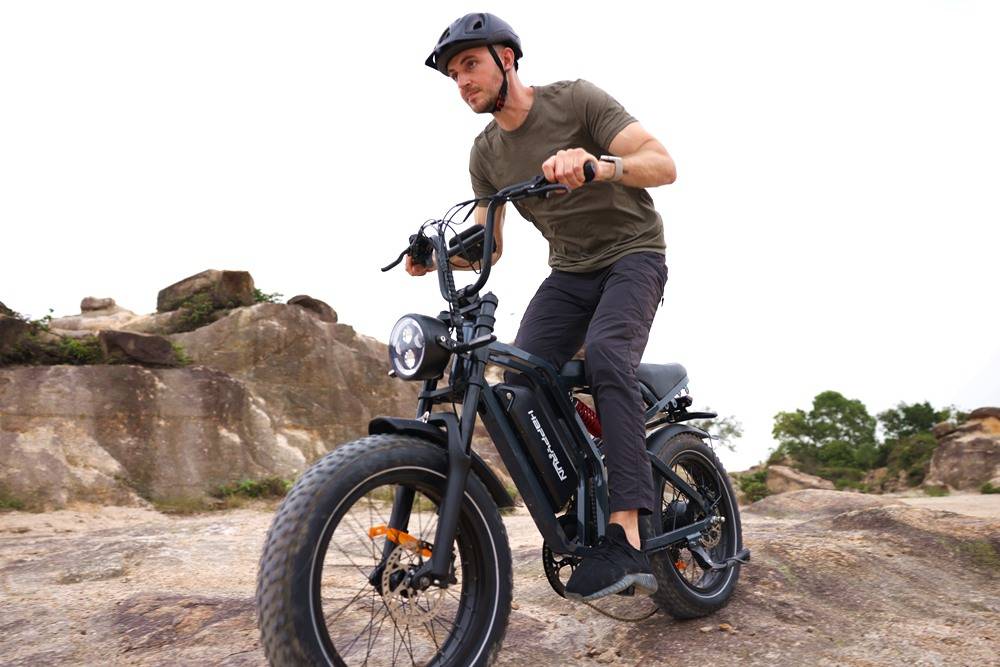
Because the factors of nature, rider weight, bike design, battery capacity and terrain all play a part in the overall speed of an electric bike, it can be difficult to guarantee a speed that a rider will see. With very little wind resistance, flat paths, ideal rider weight for suspension and construction and a quality battery, an electric bike with a 1000w motor can be expected to reach speeds between 28 mph and 35 mph, consistent with the pedal-assist figures given earlier. Some performance-oriented or off-road-unlocked models exceed this, with a handful of moped-style 1000W bikes advertising 36-38 mph in unlocked/off-road mode — but that's the exception, not the typical street-legal experience, and riding at those speeds may exceed local Class 3 e-bike regulations (28 mph pedal-assist cap in most U.S. states).
What Factors Influence the Speed of a 1000W Electric Bike?
Speed is influenced by several factors, including motor power, rider weight, terrain type, aerodynamics, and wind resistance. Additionally, battery charge and efficiency play roles in how well the bike performs at higher speeds. Local laws may also impose speed limits that affect how fast you can legally ride.
Several factors play crucial roles in determining how fast a 1000W electric bike can go:
- Motor Power: The wattage of the motor directly correlates with speed. A 1000W motor provides significant power, allowing for greater acceleration and sustained speeds.
- Battery Capacity: Larger batteries (15Ah or 20Ah) can supply more energy, enhancing speed capabilities.
- Rider Weight: Heavier riders may experience reduced top speeds due to increased load.
- Terrain Type: Smooth, flat surfaces enable higher speeds compared to rough or uphill terrains.
Motor Torque and Acceleration
The torque generated by a 1000W motor enables quick acceleration, particularly useful for climbing steep hills or navigating traffic. For instance, a bike like the HappyRun G100, equipped with a 1000W motor, achieves a top speed of 34 mph on flat terrain—a real-world number confirmed by an independent Electrek test, which is notably lower than the bike's own 38 mph marketing claim, and a good illustration of 1000w electric bike top speed in the "moped-style" category.
| Terrain Type | Top Speed (mph) | Factors Impacting Speed |
|---|---|---|
| Flat Roads | 28-31 mph | Minimal resistance, opptimal battery performance, and high torque. |
| Off-Road Trails | 20-25 mph | Uneven surfaces, increased friction from wide tires, and suspension adjustments. |
| Uphill Inclines | 15-20 mph | Motor power focused on cliimbing, reduced speed due to gravity and load. |
| Downhill Slopes | 30+ mph | Gravity-assisted speeds, but requires controlled braking for safety. |
Range and Efficiency
Dual Battery Configurations
Many high-end 1000W e-bikes feature dual batteries for extended range. A typical setup offers a range of 50-60 miles per charge when riding at moderate speeds , notably more than the 30-40 mile range typical of single-battery 1000W bikes mentioned earlier, since doubling battery capacity roughly doubles usable range at the same power draw.
Balancing Speed and Efficiency
Maintaining consistent pedal-assist mode instead of full throttle optimizes energy consumption and extends range.
How Does Motor Efficiency Impact Speed on a 1000W E-Bike?
Motor efficiency is critical for maximizing speed. A well-designed motor allows for optimal energy conversion, resulting in better acceleration and higher top speeds. For instance, mid-drive motors often provide superior torque for climbing hills but may vary in their ability to maintain high speeds on flat surfaces compared to hub motors.
How Does Battery Capacity Affect the Speed of a 1000W E-Bike?
Battery capacity significantly impacts both speed and range. A higher capacity battery can deliver more consistent power output, allowing the bike to maintain higher speeds over longer distances. For example, while both 15Ah and 20Ah batteries can power a 1000W motor, the latter provides more energy reserves for sustained high-speed riding.
What Role Does Terrain Play in Determining Speed?
The type of terrain significantly affects an electric bike’s speed performance. On flat roads, a 1000W e-bike reaches its 28-35 mph pedal-assist maximum with relative ease. However, when navigating uphill or uneven surfaces, additional power is required to maintain speed, and riders may see effective speeds drop to roughly 10-15 mph on steep grades, depending on gradient and rider weight. Riders should consider their typical routes when choosing an e-bike.
How Do Weight Considerations Affect the Performance of a 1000W E-Bike?
Weight is an essential factor in determining speed. Both the rider’s weight and any additional cargo influence how quickly an e-bike can accelerate and maintain speed. Lighter loads generally result in faster rides, while heavier riders may find their top speeds slightly diminished due to increased resistance.
What Are the Safety Considerations for Riding at High Speeds?
While riding a 1000W electric bike can be thrilling, safety should always be paramount. Riders should wear appropriate safety gear, adhere to local traffic regulations, and understand their bike’s capabilities. High-speed riding increases risks; thus, maintaining control and awareness is crucial for safe riding experiences.
Terrain and Use Cases
Off-Road Performance
Thanks to robust frames, suspension systems, and wide tires, 1000W e-bikes handle off-road conditions exceptionally well, maintaining control on gravel, sand, or mud.
This also answers a common variant question — how fast can a 1000w electric mini bike typically go — since off-road mini bikes with 1000W motors generally top out a bit lower than street models, around 25-30 mph, due to knobby tires and lower gearing.
Urban Commuting
With their speed and efficiency, these bikes are ideal for bypassing traffic and reducing commute times. Features like cargo racks and lights enhance practicality for city riders.
If you're building your own setup rather than buying a complete bike, what speed can i expect from a 1000w electric bike kit is one of the most common questions — the short answer, covered in more detail in the conversion section below, is roughly 25-32 mph depending on wheel size and controller settings.
Legal and Safety Considerations
Speed Regulations
In the U.S., most states classify e-bikes into three categories:
Class 1 & 2: Max speed of 20 mph.
Class 3: Allows up to 28 mph, aligning closely with the capabilities of 1000W models, and this is the regulatory ceiling that most street-legal 1000W models are designed around, even though their motors are mechanically capable of more in unlocked or off-road settings.
Safety Tips
Always wear a helmet.
Check brakes regularly for maintenance.
Use lights and reflective gear for visibility.
Components and Build
Tires and Suspension
Premium suspension systems, like hydraulic forks, are common in 1000W models, providing smooth rides over rough terrain.
Brake Systems
Hydraulic brakes are recommended for safe stopping at high speeds, as they outperform mechanical brakes in responsiveness.
Top 1000W Electric Bike Models
QuietKat Apex (mid-drive, hunting/off-road focus) 750W or 1000W motor option, ~768Wh battery. Independent reviews put top speed around 28 mph (750W) to 30+ mph (1000W), with real-world range closer to 48–52 miles on eco mode — noticeably less than QuietKat's higher "up to 90 miles" marketing figure, which applies only to their top-tier Apex HD model with an optional 30Ah battery pack, not the standard Apex. Mid-drive motor, 9-speed SRAM drivetrain, hydraulic brakes, rated to carry up to 325 lbs of rider + cargo. Verified pricing runs roughly $2,800–$4,500 depending on trim (Apex HD from ~$2,800, Apex Pro around $3,500) — this is a premium hunting/off-road bike, not a budget commuter.
HappyRun G60 Pro / G70 (moped-style and cargo variants) Both use a 1000W rated (2000W peak) hub motor and 25Ah+ battery, advertised top speed ~36 mph and range up to ~80–85 miles. The G70 is really a family/cargo bike — dual seats, a swappable rear cargo rack, up to 330 lbs capacity — rather than a performance off-roader, so it's a different use case than the G100 or QuietKat Apex despite similar power figures.
Conclusion
"A 1000W motor puts a bike in genuinely high-performance territory — expect at least 25 mph in good conditions, with 30–36 mph achievable on unlocked/off-road settings depending on the model. Just don't assume ""1000W"" alone tells you the whole story: two bikes with the same rated wattage can differ a lot in real top speed, range, and legal status depending on battery size, motor type, and how the manufacturer software-limits them.
If you want a current 1000W-class example to compare against, HappyRun's G60 Pro (1000W rated / 2000W peak, ~36 mph, up to ~80 miles range) and G70 (same motor class, cargo/family-oriented) are accurate examples as of this writing. "
FAQs About 1000W Electric Bikes
Q: How far can a 1000W e-bike go?
A: A 1000W e-bike typically has a range of 30 to 40 miles on a single (standard) battery, depending on rider weight, terrain, and battery capacity. Dual-battery setups roughly double that to 50-60 miles, and under optimal low-power conditions single-battery bikes can stretch to 60-70 miles.
Q: Can I ride a 1000W e-bike on the road?
A: Yes, you can ride a 1000W e-bike on the road in many areas, but regulations vary by state. Some states classify e-bikes with motors over 750W as mopeds or scooters, which may require registration and licensing. Always check local laws to ensure compliance before riding.
Q: Do 1000W e-bikes require a license?
A: In most U.S. states, you do not need a license to ride a 1000W e-bike if it meets specific criteria. However, if it exceeds speed limits (typically over 20 mph), it may be classified as a motor vehicle requiring a license. Always verify local regulations for your area.
Q: What’s the average cost of a 1000W e-bike?
A: The average cost of a 1000W e-bike ranges from $1,500 to $3,500, depending on features like battery capacity, build quality, and brand. Premium hunting/off-road models like the QuietKat Apex line run higher, around $2,800-$4,500. Higher-end models with advanced technology or specialized designs can exceed this range. Consider your budget and intended use when selecting an e-bike.
Q: Are they suitable for beginners?
A: While 1000W e-bikes offer powerful performance, they may not be ideal for beginners due to their speed and handling characteristics. Beginners might prefer lower wattage models (like 250W or 500W) that provide a more manageable riding experience. However, with proper training and caution, beginners can ride them safely.
What is the top speed of a 1000w electric bike on steep inclines?
On flat terrain, expect the standard 28-35 mph pedal-assist range covered earlier in this article. On steep inclines, that typically drops to around 10-15 mph, depending on gradient, rider weight, and battery charge.
How to maintain a 1000w electric bike motor efficiently?
To maintain your 1000W electric bike motor, regularly clean the motor and ensure it’s free from dirt and debris. Lubricate the moving parts, check for loose wiring, and inspect the motor for any unusual noises or heat buildup. Using quality parts like Happyrun motors can ensure durability.
How does battery range compare for 1000w e-bikes in urban areas?
A 1000W e-bike in urban areas typically offers a range of 30-50 miles on a full charge, depending on factors such as terrain, rider weight, and battery capacity. E-bikes with higher-efficiency batteries like the Happyrun 48V pack provide better range.
What are the best braking systems for 1000w electric bicycles?
The best braking systems for 1000W electric bicycles include hydraulic disc brakes, offering superior stopping power, especially at high speeds. They provide better control and safety compared to mechanical brakes, especially on steep descents.
How to convert traditional bikes to 1000w electric conversion kits?
To convert a traditional bike to a 1000W electric bike, install a 1000W motor, battery, and controller. Conversion kits such as the Happyrun 1000W e-bike conversion kit include everything needed for a simple upgrade, including motor, battery, and wiring. This directly answers what speed I can expect from a 1000w electric bike kit: most 1000W conversion kits deliver 25-32 mph depending on wheel size, controller settings, and local speed-limiter compliance.
What are legal regulations for 1000w electric bikes by region?
In many regions, 1000W e-bikes are considered Class 3 e-bikes, restricted to certain speed limits (usually 28 mph). Regulations vary by location, so check local laws regarding motor power, speed limits, and where these bikes are allowed.


Leave a comment