



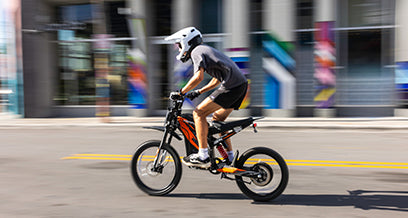


How to Build Your Own DIY E-Bike
Building your own DIY e-bike can be an exciting and rewarding project that allows you to customize your ride according to your preferences. A typical DIY e-bike kit includes essential components like a motor, battery, controller, and wiring, making it easier to convert a standard bicycle into an electric one.
What Is Included in a DIY E-Bike Kit?
A standard DIY e-bike kit typically includes several key components:
- Motor: This is usually either a hub motor or mid-drive motor that provides power.
- Controller: The device that regulates power from the battery to the motor.
- Battery: Supplies energy to the motor; options include lithium-ion or lead-acid batteries.
- Throttle/Display: Controls speed and displays information like battery level.
- Wiring Harness: Connects all components together.
DIY E-Bike Kit Components Chart
| Component | Description |
|---|---|
| Motor | Hub or mid-drive motor |
| Controller | Regulates power flow |
| Battery | Lithium-ion or lead-acid |
| Throttle | Speed control mechanism |
| Wiring Harness | Connects all electrical components |
How Do You Install a DIY E-Bike Kit?
Installing a DIY e-bike kit involves several steps:
- Preparation: Gather all tools and components before starting.
- Remove Existing Components: Take off the bike's pedals, chain, and rear wheel if necessary.
- Install the Motor: Depending on the kit, mount the motor in the wheel hub or attach it to the bike frame.
- Connect the Controller: Securely connect the controller to both the motor and battery.
- Install Throttle and Display: Attach these components to the handlebars for easy access.
- Test Ride: After completing installation, take your e-bike for a test ride to ensure everything functions correctly.
What Are the Benefits of Building Your Own E-Bike?
Building your own e-bike offers several advantages:
- Cost Savings: Often cheaper than buying a pre-built electric bike.
- Customization: Tailor specifications like motor power, battery capacity, and design.
- Learning Experience: Gain hands-on knowledge about e-bike mechanics and electronics.
- Satisfaction: Enjoy the accomplishment of creating something unique.
Which Components Are Necessary for a DIY E-Bike Battery?
When building a DIY e-bike battery, consider:
- Battery Type: Lithium-ion batteries are preferred for their lightweight and efficiency.
- Voltage Rating: Common ratings include 36V or 48V; choose based on your motor specifications.
- Capacity (Ah): Higher amp-hour ratings provide longer ranges; aim for at least 10Ah for decent performance.
DIY Battery Components Chart
| Component | Description |
|---|---|
| Battery Type | Lithium-ion preferred |
| Voltage Rating | Commonly 36V or 48V |
| Capacity | Aim for at least 10Ah |
How Can You Customize Your DIY E-Bike?
Customization options for your DIY e-bike include:
- Motor Selection: Choose between different power outputs (250W, 500W, etc.) based on riding needs.
- Battery Configuration: Opt for higher capacity batteries for longer rides.
- Frame Design: Select a bike frame that suits your riding style (mountain, road, etc.).
- Accessories: Add features like lights, racks, or fenders tailored to your commuting needs.
FAQ Section
Q: What is a DIY e-bike?
A: A DIY e-bike is an electric bicycle that individuals build themselves using various kits and components.
Q: What is included in a typical DIY e-bike kit?
A: A typical kit includes a motor, controller, battery, throttle/display, and wiring harness.
Q: Can I use any bicycle frame for my DIY e-bike?
A: Most bicycle frames can be converted into e-bikes; however, ensure compatibility with your chosen kit's specifications.

E-Bike Motor Types Explained: Hub Motor vs Mid-Drive


