





How Fast Can a 750W Electric Bike Go? Speed Guide
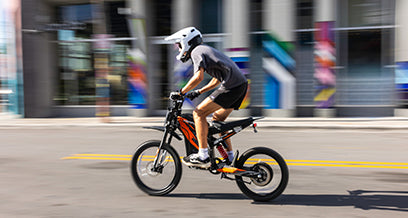
A 750W electric bike typically reaches speeds of 20–28 mph (32–45 km/h), depending on rider weight, terrain, and local regulations. Most models are electronically limited to 20 mph in the U.S. to comply with Class 3 e-bike laws. Off-road or derestricted bikes may achieve higher speeds, but this may void warranties or violate local laws.
What Is a 750W Electric Bike?
| Feature | Specification |
| Motor Power | Up to 750 watts |
| Typical Speed | 20–28 mph |
| Common Battery Voltage | 48V or higher |
| Best Use | Commuting, hills, trails, recreational riding |
How Fast Is 750W in MPH and KM/H?
| Speed | Conversion |
| 20 mph | About 32 km/h |
| 25 mph | About 40 km/h |
| 28 mph | About 45 km/h |
What Factors Influence a 750W E-Bike’s Top Speed?
Key factors include:
- Motor Efficiency: Higher torque motors maintain speed better on inclines.
- Battery Voltage: 48V systems outperform 36V in sustaining peak speeds.
- Rider Weight: Speeds drop ~1 mph per 20 lbs (9 kg) over 170 lbs (77 kg).
- Tire Pressure: 30–50 PSI slicks reduce rolling resistance vs. knobby tires.
- Legal Restrictions: Speed limiters cap output in many regions.
- Motor Type: Hub motors typically provide efficient power transfer for maintaining higher speeds, while mid-drive motors are known for better torque distribution and climbing performance.
Are 750W E-Bikes Legal at Full Speed?
In the U.S., a 750W e-bike may fall under the Class 3 category in states that allow pedal-assisted speeds up to 28 mph (45 km/h). However, e-bike classifications and power limits vary by state. Throttle-only models are restricted to 20 mph. European laws enforce stricter 250W/15.5 mph limits. Always check local regulations—exceeding speed limits may require registration as a moped or motorcycle.
How Does a 750W Motor Compare to Lower/High-Power E-Bikes?
| Motor Wattage | Avg Top Speed | Best Use Case |
| 250W | 15.5 mph (25 km/h) | Urban commuting (EU) |
| 500W | 20 mph (32 km/h) | Hilly terrain |
| 750W | 28 mph (45 km/h) | Off-road/trail |
| 1000W+ | 35+ mph (56+ km/h) | Performance/racing |
Wattage affects power output, but motor type also impacts performance. Hub motors provide direct power transfer and are better for maintaining speed, while mid-drive motors offer stronger climbing ability and better control on uneven terrain.
Can You Modify a 750W E-Bike for Higher Speeds?
Possible modifications include:
- Disabling speed limiters via controller tuning (risks motor/battery damage)
- Upgrading to 52V batteries for +3–5 mph
- Installing high-amp controllers (35A vs stock 25A)
- Switching to lightweight carbon components
Warning: Modified bikes often exceed legal e-bike definitions, requiring insurance/registration.
How Does Battery Life Change at Maximum Speed?
A 750W e-bike’s 48V 14Ah battery lasts:
- 35–40 miles (56–64 km) at 20 mph
- 18–22 miles (29–35 km) at 28 mph
- Requires 4–6 hour recharge cycles for full restoration
Conclusion
A 750W electric bike balances speed and practicality, legally reaching 20–28 mph depending on configuration. Riders must weigh performance against battery life, local laws, and safety needs. Brands like HappyRun provide optimized solutions for both urban and off-road adventures without compromising reliability.
FAQ
-
Q: Can a 750W e-bike climb steep hills?
A: Yes. A 750W motor provides strong torque and can handle steep hills better than lower-power motors. Performance depends on rider weight, terrain, battery voltage, and motor type.Q: Do all states allow 750W e-bikes?
A: No—Hawaii caps at 750W, while California requires Class 3 certification. E-bike laws vary by location, including power limits, speed restrictions, and classification requirements. Always check local regulations before riding.Q: How often should I service a high-speed e-bike?
A: Regular inspections are recommended to keep a high-speed e-bike safe and reliable. Check brakes, tires, and battery connections every few weeks or after long rides, and follow the manufacturer's maintenance recommendations for more detailed service intervals.Q: How fast is 750W in mph?
A: A 750W motor typically allows an e-bike to reach 20–28 mph (32–45 km/h) depending on the battery, controller, riding conditions, and local speed limits. Wattage affects power output, but it does not determine an exact top speed.Q: How many CC is a 750W motor?
A: There is no exact 750W to CC conversion. Watts measure electrical motor power, while CC measures the displacement of a gasoline engine. A 750W motor should be compared by factors such as torque, speed, and overall performance rather than a direct CC equivalent. -


