



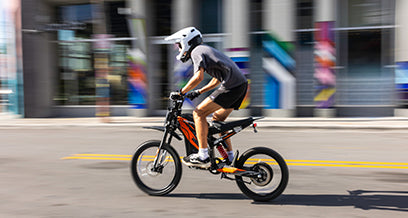


Can You Ride an Electric Dirt Bike in the Rain? Safety & Maintenance Tips
Can you ride an electric dirt bike in the rain? In some cases, yes, but it depends on the bike's water-resistance specifications, the manufacturer's instructions, and the conditions on the trail. Even a water-resistant electric dirt bike can become difficult to control when the ground is wet, muddy, or slippery.
When comparing electric dirt bikes for adults, riders should consider more than motor power and range. Water-resistance specifications, wet-trail handling, and the manufacturer's maintenance guidance are also important when deciding whether a bike is suitable for their intended riding conditions.
Can Electric Bikes Get Wet? Understanding IP Ratings
Before taking any electric vehicle out into wet weather, it is essential to understand the engineering standards that govern water resistance. Manufacturers use a standardized rating system to communicate exactly how much moisture a bike can safely handle.
The term "waterproof" is often misunderstood in the electric bike industry. No commercial electric dirt bike is entirely waterproof, meaning it cannot be fully submerged in water. Instead, these vehicles are water-resistant. The level of resistance is measured by the Ingress Protection (IP) rating system, which consists of two numbers. The first number represents protection against solids, while the second indicates protection against liquids.
|
IP Rating
|
Water-Protection Test
|
Practical Meaning for Riders
|
|
IPX4
|
Splash-resistant
|
Protects against water splashes from any angle; suitable for light mist or damp roads.
|
|
IPX5
|
Water-jet resistant
|
Protects against low-pressure water streams; safe for moderate rain and muddy trails.
|
|
IPX6
|
Powerful water-jet resistant
|
Protects against high-pressure water streams; suitable for heavy downpours but still not submersible.
|
|
IPX7
|
Temporary immersion protection
|
Protects against temporary immersion under specified test conditions, typically up to 1 meter for 30 minutes.
|
When asking whether electric bikes can get wet, the answer depends heavily on these ratings. A high-quality waterproof electric bike typically features an IPX5 rating for its critical electrical components, including the battery, motor, and display. This level of protection ensures that riding through a sudden rain shower or splashing through shallow puddles will not damage the internal circuitry.
Risks of Riding an Electric Dirt Bike in Wet Conditions
Even if an electric dirt bike adult has a water-resistance rating, wet weather can create hazards for both the rider and the bike. Understanding these risks can help you decide when conditions are suitable for riding.
Reduced Traction
Wet dirt, mud, grass, and slick rocks can reduce tire grip. The bike may slide more easily when accelerating, braking, or cornering, especially on loose or uneven trails.
Ride at a controlled speed, avoid sudden steering inputs, and make gradual changes in acceleration and braking. If the trail is too slippery to maintain control, choose a safer route or postpone the ride.
Longer Braking Distances
Water, mud, and debris can affect braking performance. Even bikes equipped with hydraulic disc brakes may need more distance to stop on wet surfaces.
Leave extra space between yourself and other riders, begin braking earlier, and apply the brakes smoothly. Test your brakes at low speed in a safe area before continuing.
Potential Water Damage
Water can enter vulnerable areas if exposure exceeds the bike's design limits. Electrical connectors, displays, battery housings, and charging ports deserve particular attention.
Avoid deep puddles, flooded trails, and standing water that could reach electrical components. Never assume that an IP rating makes a bike safe to submerge.
Reduced Visibility
Rain, fog, and low-light conditions can make it harder for you and other trail users to see obstacles. Wet goggles or a visor can also obstruct your view.
Use suitable eye protection, keep your lighting system in good working order, and avoid riding when visibility is too poor to navigate safely.
How to Ride an Electric Dirt Bike Safely in the Rain
If the manufacturer permits riding in light rain and the trail conditions are manageable, a few adjustments can reduce unnecessary risks. Following basic electric bike safety practices, including adjusting your speed, braking smoothly, and maintaining clear visibility, can help you respond to changing wet-trail conditions.
Reduce Your Speed
Wet surfaces leave less room for error. Keep your speed low enough to respond to changing terrain, hidden obstacles, and sudden loss of traction.
Avoid aggressive acceleration and abrupt stops, particularly on muddy slopes or slippery corners.
Brake Earlier and More Smoothly
Start slowing down earlier than you would on dry ground. Apply the brakes progressively rather than squeezing them suddenly, and allow additional stopping distance.
Check that the brakes respond normally before riding onto more challenging terrain. If braking performance feels inconsistent, stop and inspect the bike before continuing.
Avoid Deep Water and Flooded Trails
Do not ride through deep puddles, streams, or flooded sections where water depth is uncertain. Water can reach electrical components even when a bike is designed to resist splashes or water jets.
Choose an alternate route if you cannot judge the depth or condition of a water crossing. Avoiding unnecessary water exposure is safer than relying on an IP rating alone.
Wear Appropriate Protective Gear
A properly fitted helmet is essential, and gloves, eye protection, and suitable riding clothing can improve comfort and control in wet conditions. Waterproof outer layers may help keep you comfortable, but they do not replace protective riding gear.
Make sure your gloves provide a secure grip on the handlebars and controls. Replace or clean eye protection if rain, mud, or condensation interferes with your vision.
Check the Weather and Trail Conditions
Light rain and severe thunderstorms present very different risks. Avoid riding during lightning, heavy downpours, flash-flood warnings, or conditions that make the trail difficult to see or navigate.
If the weather deteriorates during a ride, head toward a safe exit instead of continuing to a more remote section of the trail.
How to Maintain an Electric Dirt Bike After Riding in the Rain
Proper post-ride care helps reduce corrosion and gives you a chance to spot potential problems before your next ride.
Clean Off Mud and Debris Carefully
Remove mud and dirt using a soft cloth or brush and a gentle cleaning method approved by the manufacturer. Avoid directing high-pressure water at the battery, display, connectors, seals, or other electrical components.
Do not assume that a water-resistant ebike can safely withstand pressure washing. Follow the cleaning instructions provided for your specific model.
Dry the Bike Before Storage
Wipe the frame and accessible surfaces with a clean, dry cloth. Let the bike dry in a well-ventilated area, following the manufacturer's guidance for moisture around electrical components.
Pay attention to visible connectors, the battery compartment exterior, and areas where mud or water may collect. If you suspect water has entered a sealed electrical component, stop using the ebike and contact the manufacturer or a qualified technician.
Inspect the Brakes, Tires, and Chain
Check the tires for embedded debris and visible damage, and inspect the brakes for unusual noise or changes in response. If your model has a chain, clean and lubricate it according to the manufacturer's maintenance instructions.
Do not continue riding if the brakes, tires, or drivetrain appear damaged or fail to function normally.
Check the Battery and Charging Connections
Before charging, make sure the bike, battery exterior, and charging connections are dry and show no signs of damage. Follow the manufacturer's instructions for battery handling and charging.
Never charge a battery or use a charging port that is wet or suspected of having water inside. If you notice unusual heat, swelling, damage, or other signs of a battery problem, stop using it and seek professional guidance.
HappyRun Electric Dirt Bikes with IPX5 Water-Resistance Ratings
If you're comparing electric dirt bikes for adults, review each model's published specifications and water-resistance rating before riding in wet conditions. The following HappyRun models list IPX5 water resistance on their product pages, but this rating should not be interpreted as permission to ride in every type of rain or through standing water.
HappyRun G300 Pro Electric Dirt Bike
The HappyRun G300 Pro is a high-powered electric dirt bike with a listed 6,500W peak motor, a 72V 30Ah battery, and a claimed range of up to 70 miles. Its specifications also include hydraulic brakes, full suspension, and an IPX5 water-resistance rating.
These features may appeal to riders looking for a powerful off-road model. However, riding in wet conditions still requires careful speed control, additional braking distance, and attention to trail conditions. Check the manufacturer's instructions before exposing the bike to rain.

HappyRun F18 2.0 Electric Dirt Bike
The HappyRun F18 2.0 lists a 6,000W peak mid-drive motor, a 60V 27Ah battery, a claimed top speed of up to 46 mph, and a claimed range of up to 60 miles. Its product specifications also list hydraulic brakes, full suspension, a 17-inch front wheel, a 14-inch rear wheel, and IPX5 water resistance.
For riders comparing adult electric dirt bikes, the F18 2.0 offers a different configuration from the G300 Pro. As with any electric dirt bike, follow the model-specific guidance on water exposure, cleaning, and charging rather than relying on the IP rating alone.

Conclusion
In conclusion, the question of can you ride an electric dirt bike in the rain comes down to preparation, understanding your vehicle's limits, and proper maintenance. While high-quality models are designed with water-resistant components, they still require careful handling when trails and roads become wet.
By choosing a well-engineered model like the HappyRun Tank G300 Pro or the versatile HappyRun F18 2.0, riders can enjoy wet-weather adventures with confidence. Implementing safe riding habits and performing diligent post-ride maintenance ensures that your electric dirt bike remains safe, reliable, and ready for the next ride, rain or shine.
FAQ
Understanding the finer details of wet-weather riding can prevent costly mistakes and keep your machine running smoothly for years to come.
Can you ride an electric dirt bike in light rain?
In some cases, yes, provided the manufacturer allows it and the ebike is designed to handle the expected water exposure. Check the model's water-resistance rating and operating instructions before riding. Avoid deep puddles, flooded trails, and conditions that make traction or visibility unsafe.
Can electric dirt bikes get wet?
Some electric dirt bikes can tolerate limited water exposure, but their resistance varies by model. Check the manufacturer's specifications and avoid submerging the bike or exposing electrical components to water beyond the stated limits. A water-resistance rating does not mean the bike is completely waterproof.
Is IPX5 enough protection for riding an electric dirt bike in the rain?
IPX5 indicates protection against water jets under specified test conditions, but it does not guarantee that an entire electric dirt bike is suitable for every rainy or off-road environment. Check the manufacturer's guidance for your specific model, and avoid deep water, flooded trails, and exposure beyond the bike's stated limits.
Can you charge an electric bike after riding in the rain?
Do not charge the ebike if the battery or charging connections are wet. Switch off the bike, inspect the battery area, and follow the manufacturer's drying and charging instructions. If water may have entered the battery or charging port, contact the manufacturer or a qualified technician before charging.
How should you dry an electric dirt bike after riding in the rain?
Wipe off moisture with a clean, dry cloth and let the ebike dry in a well-ventilated area, following the manufacturer's instructions. Avoid high-pressure washing and do not open sealed electrical components without proper guidance. Before the next ride, check the brakes, tires, and other critical components for signs of damage or abnormal operation.
Recent Posts


Nov 26, 2026
Top 10 Best E Bike Brands Worth Considering in 2026
Popular Tags


